AI Translator Inventory Planning Explained for New Importers
Published November 20, 2026 · Pineeon Insights
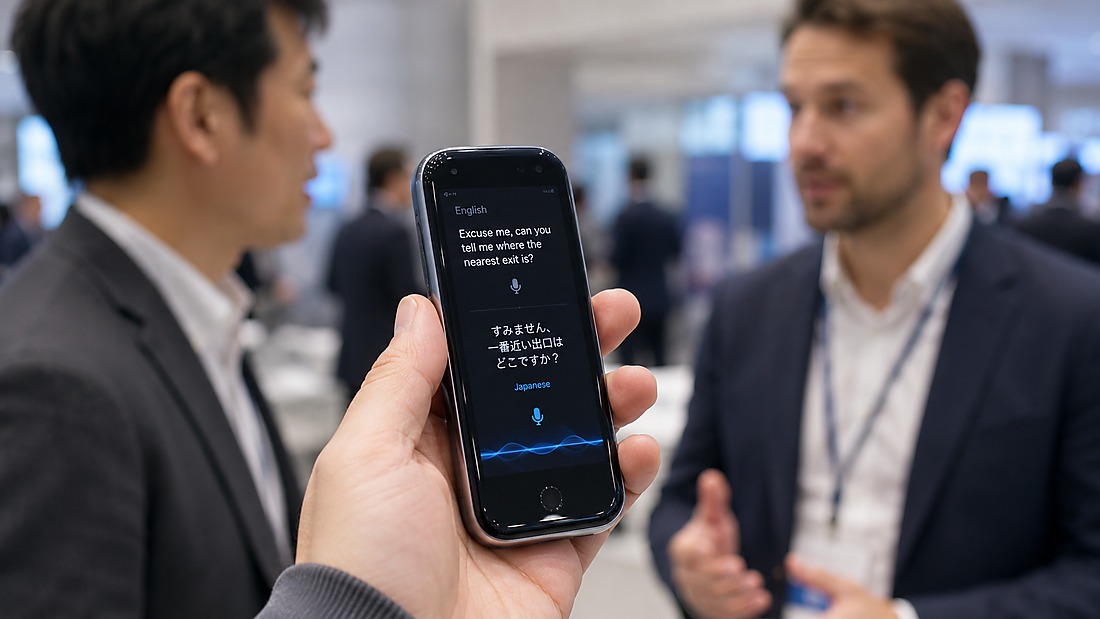
Most first-time importers plan an AI translator order the same way they plan a phone accessory order: pick a quantity, divide it across colors, and hope the sell-through window is long enough. That approach breaks down quickly with translation hardware. The product is not one SKU. It is a matrix of device form, language-pair coverage, offline versus cloud architecture, firmware version and packaging language. Each axis multiplies the number of variants you must stock, forecast and eventually clear.
This guide is written for importers, distributors and brand owners preparing a first or second purchase order for a bulk AI translator program. It does not give you MOQ figures, prices or lead times to copy. Those are project-specific and must come from your supplier’s written quotation. What it gives you is the planning logic: how to size an opening order, how to decide which variants deserve stock, how to set reorder triggers against real lead time, and which AI-hardware-specific risks can strand inventory after it lands in your warehouse.
Why AI Translator Inventory Behaves Differently From Generic Electronics
A Bluetooth speaker has one meaningful variant axis: color. An AI translator has at least five, and they interact.
- Device form. Translation pens, pocket touchscreen translators and translator earbuds are distinct architectures with different acoustic requirements, software models and buyer expectations. They are not interchangeable stock.
- Language coverage. Online language counts and offline language packages are separate specifications. A device marketed as supporting a large online language list may support only a small offline set, and that gap is a returns driver if your listing is imprecise.
- Translation architecture. Cloud-first devices depend on connectivity and an ongoing translation service. Offline-capable devices carry more local compute and storage. The two attract different buyers and have different support burdens.
- Firmware and app version. Units in your warehouse carry the firmware they shipped with. If the app or cloud backend moves forward, older stock can require updating before resale.
- Packaging and documentation language. A carton printed for one market is dead weight in another. Language-list cards, quick-start guides and compliance labels are market-specific.
The practical consequence: every additional variant you stock reduces the depth you can hold in your best seller. New importers usually over-diversify on the first order and under-diversify on the second. The framework below is designed to prevent that pattern.
Step 1: Size the Opening Order From a Sell-Through Window, Not a Gut Feeling
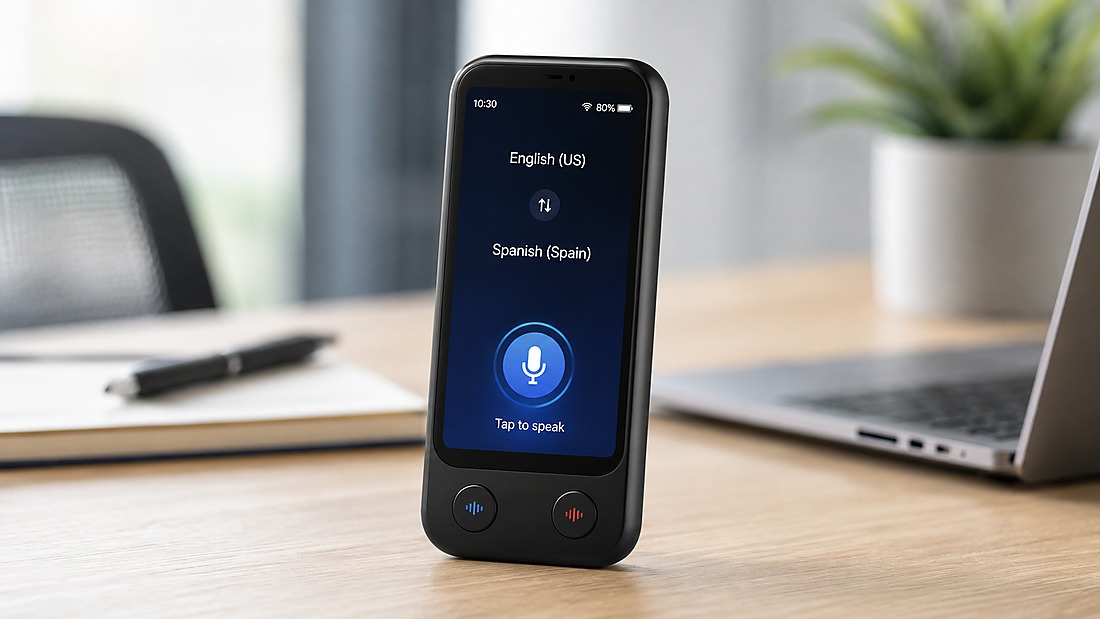
Start with a target sell-through window rather than a round number. A common planning approach for a new consumer electronics category is to size the first order so that core variants sell through within a defined window you set yourself, with a deliberate buffer for demo units, returns and warranty replacements. That window is a planning assumption you set, not an industry standard.
Build the quantity from buyer-supplied inputs only:
- Expected monthly velocity per variant. Use conservative channel estimates: your own storefront traffic, distributor commitments, marketplace search volume proxies. If you have no data, assume lower than your optimistic case.
- Target sell-through window in months. Shorter windows reduce firmware and battery exposure but raise the risk of stockouts and higher per-unit freight.
- Buffer units. Add units for demo and sample stock, expected returns and DOA replacements, and any distributor seeding. These units are consumed, not sold at full margin.
- Minimum order constraint. Compare your calculated need against the supplier’s MOQ for the customization level you want. If the MOQ exceeds your need, either reduce customization depth or accept a longer sell-through window — do not simply inflate the order.
A simple worksheet: Opening quantity per variant = (monthly velocity × sell-through months) + buffer units, then rounded up to the supplier’s pack or carton multiple. Keep the formula visible in your planning file so the second order is a revision, not a fresh guess.
One manufacturer-side note: customization depth and MOQ move together. Standard logo and packaging work on an existing platform typically sits at a much lower volume than deep hardware, UI or offline-language customization. If your opening order is small, plan the first buy around a standard private label configuration and reserve deep customization for a proven seller. Exact MOQ for your configuration must come from the supplier’s written quotation.
Step 2: Rationalize the Variant Matrix Before You Commit
The most expensive inventory mistake in this category is not over-ordering the hero product. It is ordering depth in slow-moving language or feature variants because the catalog looked impressive.
Use a three-tier classification for every variant in your planned matrix:
| Tier | What belongs here | Stocking decision |
|---|---|---|
| Core | Your primary device form, primary market language set, standard color, standard packaging | Hold depth; this is where reorder triggers apply |
| Secondary | One or two additional language sets or a second device form with demonstrated demand | Hold shallow stock; reorder only after velocity is confirmed |
| Long tail | Rare language pairs, niche offline packages, market-specific packaging, deep custom configurations | Made-to-order or pre-order only; do not hold stock |
Two rules keep this honest. First, a variant earns Core status only after you have evidence of demand, not because a distributor mentioned it once. Second, long-tail variants should be sold against a stated lead time rather than from shelf stock. That converts inventory risk into a customer expectation you can manage.
Also separate online language claims from offline language claims in your listing and in your stock plan. A buyer who needs offline translation in a specific language pair is a different customer from one who mainly needs online conversation support. If you stock one SKU and market it to both, returns will tell you which promise you broke.
Step 3: Map Supplier Lead Time and Batch Structure Into Safety Stock
Safety stock is not a fixed percentage. It is a function of demand variability and replenishment time. For imported AI translators, replenishment time includes production scheduling, customization steps, quality inspection, freight and customs clearance. Your supplier can give you production-side ranges; you must add your own freight and clearance estimates.
Ask the AI translator manufacturer to confirm, in writing, for your specific configuration:
- Production lead time for the exact customization level you selected, not the catalog average.
- Whether your order is scheduled as a standalone batch or slotted into a shared production run, and how that affects timing.
- Which steps are most likely to extend the schedule for your configuration — for example offline language package work, acoustic tuning on earbud products, or certification-related testing.
- The pack size and carton configuration, so your warehouse receiving plan matches what actually ships.
Then set a lead-time-adjusted reorder point: Reorder point = (average daily velocity × total replenishment days) + safety stock. Safety stock covers the gap between your worst realistic demand week and your average. If you have no history, set safety stock conservatively and review it after the first full cycle.
Review cadence matters as much as the formula. A weekly velocity review on Core variants, with a monthly review of the full matrix, catches drift before a stockout. A quarterly review is too slow for a category where firmware and app updates can change what your held stock can honestly claim.
Step 4: Control AI-Hardware-Specific Inventory Risk
Three risks are specific to this product category and are usually missing from generic import planning.
Firmware and app version drift
Units sitting in your warehouse carry the firmware they shipped with. If the companion app, cloud translation service or device UI moves forward, older stock may need updating before it delivers the experience your listing describes. Before each shipment, confirm the firmware version that will be loaded and whether field updating is supported for your configuration. For held stock, plan a periodic check-and-update routine rather than discovering the issue at the point of sale.
Battery shelf life and storage
Translation earbuds and pocket translators contain lithium batteries. Long storage periods at unfavorable temperatures affect capacity and, in some markets, the documentation you need for transport and resale. Plan storage conditions, avoid ordering more battery-containing stock than your sell-through window justifies, and confirm with your supplier what documentation accompanies the shipment for your destination market.
Packaging and labeling changes
Packaging is not a minor detail in this category. Language-list cards, quick-start guides and compliance labels are market-specific. If you hold stock printed for one market and later sell into another, you may need to re-label or re-pack. Confirm the exact packaging and documentation set per destination before the PO, and treat packaging language as a variant axis in your matrix.
Pre-Order Verification Checklist for Importers
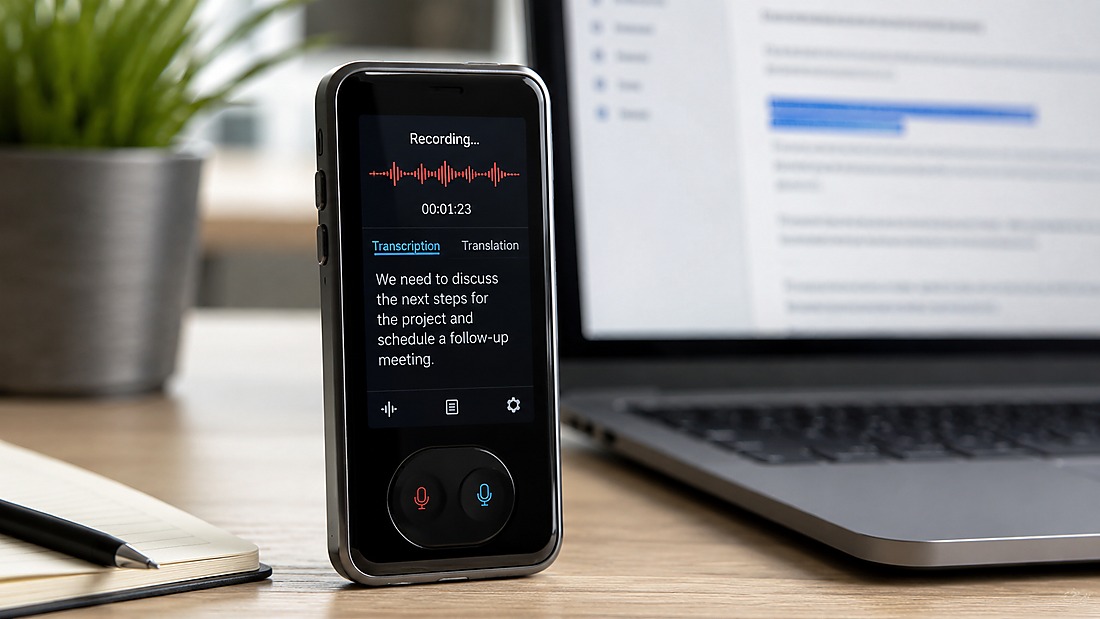
Use this checklist with your AI translator supplier before releasing the first purchase order. Each item should be answered in writing and attached to the PO.
- Configuration freeze: Device form, language set (online and offline separately), app or standalone UI, color, packaging and documentation language are all specified.
- Firmware version at shipment: The version to be loaded is stated, along with whether field updating is supported.
- Batch consistency: The supplier confirms whether your order ships from a single production batch and how component substitutions, if any, would be communicated.
- Spare-unit and DOA policy: The handling process for dead-on-arrival units and warranty replacements is defined.
- Inspection plan: The agreed quality checks are listed — for example speech-recognition testing, translation-latency checks, offline-language function tests and Bluetooth stability where applicable — along with sampling level.
- Documentation for customs and compliance: The commercial invoice, packing list, product documentation and any applicable certification or compliance documents for your destination market are identified. Requirements vary by market and configuration and should be confirmed with the applicable authority or qualified advisor.
- Packaging and carton specification: Pack size, carton configuration and label content are confirmed.
- Reorder assumptions: The supplier’s stated lead time range and MOQ for repeat orders at the same configuration are recorded for your planning file.
Pineeon Manufacturer-Side Recommendation
From the manufacturing side, the importers who manage inventory best tend to do three things differently.
First, they separate the sample decision from the stocking decision. A sample order confirms whether the product and the supplier are right. It does not justify depth. Depth should follow evidence from the first small batch.
Second, they define the software and language scope before the PO, not after. Translation-engine selection, offline language packages and app customization affect both the unit cost and the variant count. A buyer who locks these late ends up with stock that does not match the listing.
Certification documentation, testing and compliance-support capabilities vary by supplier and project. Confirm the exact scope, responsible parties and available records in writing before relying on them.
For buyers evaluating device forms, language architecture and customization scope, the AI translator OEM/ODM product page is the right starting point before a quotation request.
Building the Repeat-Order Rhythm
The second order is where planning discipline pays off. By then you have real velocity data, a confirmed lead time and a known firmware baseline. Convert the first cycle into a simple operating rhythm:
- Weekly: Review Core variant velocity and stock cover in days. Flag any variant approaching its reorder point.
- Monthly: Review the full matrix. Demote variants that have not moved; promote secondary variants with consistent demand.
- Per shipment: Confirm firmware version, packaging language and documentation set before release.
- Quarterly: Re-check supplier lead time and MOQ assumptions, and review whether held stock needs a firmware or packaging update.
This rhythm keeps the inventory decision tied to evidence. It also gives you a defensible basis for negotiating repeat-order terms, because you can show the supplier a predictable, documented demand pattern rather than a one-off request.
If you are preparing a first or repeat order and want to confirm configuration, customization scope and documentation requirements before committing capital, contact Pineeon with your target market, device form and language requirements to request a project-specific quotation.