AI Translator Import Regulations: A Step-by-Step Guide
Published October 28, 2026 · Pineeon Insights
Importing an AI translator is not a single compliance event. It is a sequence of decisions that starts before you place a purchase order and ends only when the shipment clears customs and the documentation matches the goods in the box. Buyers who treat compliance as a last-minute paperwork task usually discover problems at the worst moment: the forwarder needs a battery document, the customs broker questions the declared value or model, or the retailer asks for a declaration of conformity that does not cover the exact configuration being sold.
This guide is written from the manufacturer side of the transaction. It sets out a practical workflow you can hand to an AI translator supplier, explains why each step exists, and shows where AI translators differ from ordinary consumer electronics. Regulatory requirements vary by product configuration, radio technology, battery design, target market and applicable standards, so every item below should be treated as project-dependent and confirmed with the applicable laboratory, authority or qualified advisor.
Why AI translators need a dedicated import workflow
An AI translator looks like a simple handheld device, but it usually combines several regulated elements in one enclosure. A pocket translator may contain a Wi-Fi and Bluetooth radio, a rechargeable lithium battery, a microphone array, a touchscreen and firmware that connects to a cloud translation service. Translation earbuds add a charging case and a second radio link. A translation pen may add a camera for OCR scanning.
Each of those elements creates a separate documentation thread. The radio module drives wireless approval questions. The battery drives shipping and safety documentation. The microphone and speaker drive acoustic labeling and, in some markets, language and accessibility considerations. The firmware and cloud service drive data-handling questions that are increasingly part of retailer and enterprise procurement reviews.
The manufacturer-side lesson is simple: compliance scope must be defined against the exact model and configuration, not against a product family name. A supplier may legitimately support CE, FCC and RoHS applications at company level while a specific model, radio variant or battery pack still needs its own verification. Treating company capability as model certification is one of the most common and most expensive import mistakes.
Step 1: Classify the product before you request a quotation
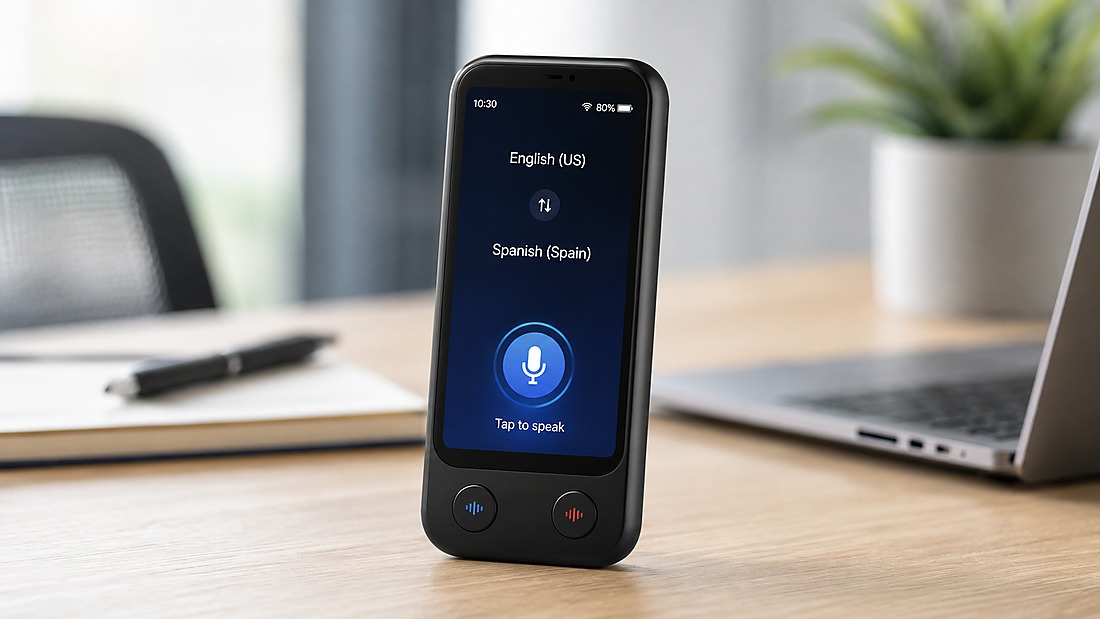
HS classification determines duty rates, documentation requirements and sometimes whether additional controls apply. AI translators do not sit in a single obvious heading. A handheld translation device with a display may be classified differently from a pair of translation earbuds, and a device with an independent cellular module may differ again from a Wi-Fi/Bluetooth-only unit.
Ask your supplier for the HS code they normally use for the exact model, then have your customs broker confirm it for your destination market. Do not accept a code copied from a different product form. The classification should match the primary function, the hardware configuration and the way the product is presented commercially.
At the same time, confirm the declared product description. “AI translator” is a marketing term, not a customs description. The invoice and packing list should describe the device accurately, including whether it is a pen, a pocket device or earbuds, and whether a charging case is included.
Step 2: Map the wireless and radio configuration
Most AI translators use Wi-Fi, Bluetooth or a smartphone hotspot. That generally makes the radio approval path simpler than a cellular device, but it does not remove it. The questions to resolve early are:
- Which radio technologies are enabled in the exact model being imported?
- Is the radio module pre-approved, and does the approval cover your destination market?
- Does the device contain an independent SIM-based cellular module? If so, additional cellular and operator approvals must be evaluated.
- Are there variant models with different radio configurations sold under the same family name?
For Bluetooth devices, buyers should also ask whether Bluetooth qualification is relevant to their market and channel. This is separate from general radio approval and depends on the product and the claims made about it.
Radio requirements are market-dependent. A configuration accepted in one country may need additional testing or documentation in another. Confirm the requirement with the applicable authority or a qualified laboratory before assuming that one approval travels everywhere.
Step 3: Treat the battery as a separate import project
Rechargeable lithium batteries trigger shipping documentation that has nothing to do with CE or FCC. Air freight, sea freight and courier channels each apply different rules, and the forwarder will usually ask for battery documentation before booking.
Ask the supplier for the battery specification, the cell or pack configuration, and the shipping documents the factory can provide for the exact battery used in your model. Do not assume that a battery document from a different model or a different capacity applies to your order. If the battery is changed during production, the documentation may need to be updated.
This is also a good moment to confirm whether the battery is removable or built-in, because that affects both shipping classification and after-sales handling in some markets.
Step 4: Define the certification scope against the exact model
CE, FCC and RoHS are the three compliance areas most buyers ask about first. They are also the areas where scope confusion causes the most problems.
CE marking is a declaration that the product meets applicable European requirements. It is not a single certificate, and the applicable directives depend on the product. FCC rules apply to radio-frequency devices sold in the United States. RoHS restricts certain substances in electrical and electronic equipment. Each has its own technical documentation, testing and declaration requirements.
When you evaluate a certified AI translator supplier, ask for documentation that names the exact model and configuration you intend to import. Check that the certificate holder, the model number and the technical description match your purchase order. A document that covers a similar model is not the same as a document that covers your model.
Some suppliers can support applicable CE, FCC and RoHS certification or compliance applications and may provide relevant technical documentation and testing support for applicable projects. That is a company-level capability, not proof of model certification. Final certification scope, required documents, testing scope and approval depend on the specific product model, configuration, target market, laboratory and applicable authority, and approval is not guaranteed.
Step 5: Review labeling, manuals and language requirements
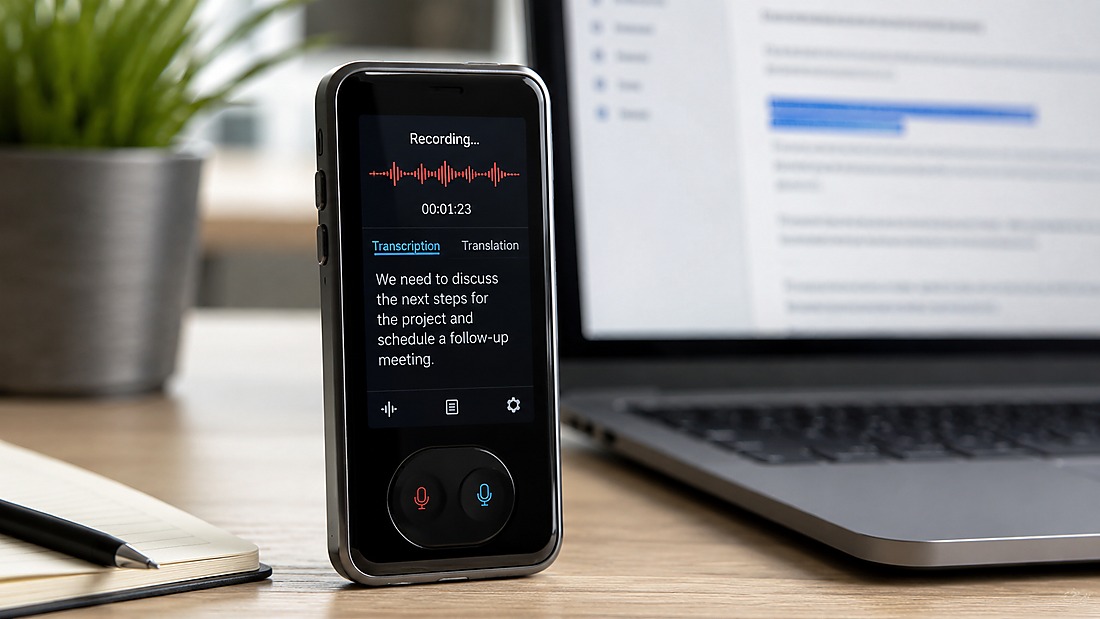
Labeling is where customs, retail and consumer-protection requirements meet. The device, the packaging and the manual should carry consistent model numbers, importer information where required, language versions appropriate to the destination market, and any required marking.
For AI translators, pay particular attention to the language list. A device marketed with a certain number of languages should have documentation that matches the actual software configuration. If offline languages are offered, the manual should distinguish them from online languages. This is not only a compliance issue; it is a returns issue.
Ask for the final artwork and manual before mass production, not after. Correcting a manual after printing is far more expensive than reviewing a PDF.
Step 6: Prepare customs paperwork that matches the goods
The commercial invoice, packing list, HS code, country of origin, declared value and product description should all describe the same shipment. Mismatches between the declaration and the actual configuration are a common cause of clearance delays and post-clearance audits.
If the shipment contains multiple variants, list them separately. If accessories such as a charging case or cable are included, state whether they are part of the retail unit or separate items. If the product is shipped to a fulfillment center, confirm the labeling and documentation requirements of that channel before booking freight.
Buyer pre-shipment sign-off checklist
Use this checklist before releasing the balance payment or authorizing shipment. It is deliberately practical: each line should be answered with a document or a written confirmation, not a verbal assurance.
| Check | What to confirm | Why it matters |
|---|---|---|
| HS code | Code matches the exact product form and destination market | Duty rate and clearance |
| Model and configuration | Invoice, label and certification documents name the same model | Scope validity |
| Radio configuration | Enabled radios and any cellular module are declared | Wireless approval |
| Battery documents | Shipping documents match the installed battery | Freight booking |
| CE/FCC/RoHS scope | Documents cover the exact model and market | Market access |
| Labeling and manual | Language, importer details and markings are correct | Retail and customs |
| Language claims | Online and offline languages match the software build | Returns and claims |
| Packaging artwork | Approved version is the one in production | Brand consistency |
| Inspection report | Final inspection covers acoustic and translation functions | Quality consistency |
Common failure modes and how to correct them
Mismatched declarations. The invoice says one model, the label says another, and the certification document names a third. Correct by freezing the model number before production and requiring the supplier to use it consistently across all documents.
Missing battery documentation. The forwarder cannot book air freight because the battery documents are absent or refer to a different pack. Correct by requesting battery documents at the sample stage and re-confirming them when the battery is finalized.
Assuming company certification equals model certification. A supplier may support CE, FCC and RoHS applications without every model holding every approval. Correct by asking for model-specific documentation and checking the scope.
Language claims that outrun the software. Marketing lists languages that the shipped firmware does not support offline. Correct by testing the actual build and aligning the manual and packaging with it.
Late manual changes. The manual is revised after printing, creating a mismatch with the device. Correct by approving the manual before the packaging print run.
Pineeon Manufacturer-Side Recommendation
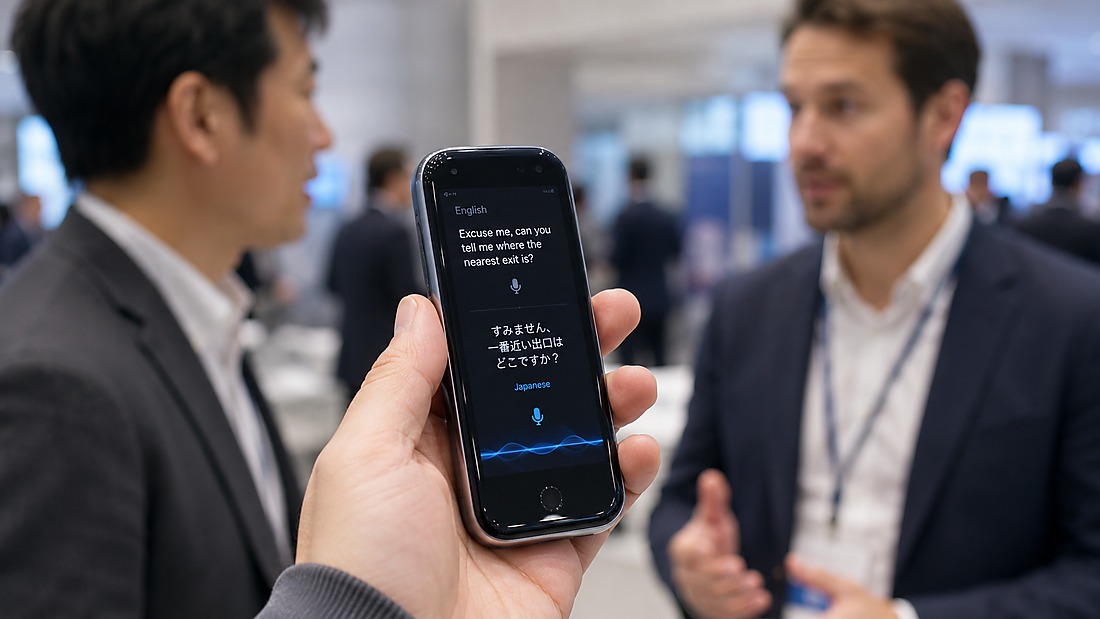
From the factory side, the most reliable way to import AI translators is to make compliance a gate in the sample process rather than a task after the order. Before you approve a sample, ask the supplier to confirm the device form, the radio configuration, the battery, the target market and the language build. Those five inputs determine most of the documentation you will need later.
Buyers should evaluate their own requirements before committing to a project approach, because the AI translator category includes translation pens, pocket translators and translator earbuds with different acoustic and software architectures. The compliance path is broadly similar across these forms, but the details are not. A translation earbud project with a charging case and a second radio link needs a different document set from a Wi-Fi-only pocket translator.
For buyers planning a private label or custom AI translator program, the practical recommendation is to request the technical documentation package alongside the sample quotation, review it against the exact model, and only then move to pilot production. Suppliers may be able to assist with applicable CE, FCC and RoHS application processes and provide relevant technical documentation and testing support, but final approval depends on the specific product, market, testing body and applicable authority. Confirm current requirements with the applicable laboratory, authority or qualified advisor before shipment.
If you are comparing suppliers, start with the AI translator OEM/ODM product page and use the checklist above as the basis for your request for quotation.
What to confirm before you place the order
Before the purchase order is signed, you should have written answers to the following: the HS code and product description; the exact model and configuration; the radio technologies and any cellular module; the battery type and shipping documents; the CE, FCC and RoHS scope for the exact model and market; the labeling and manual requirements; the language build and whether offline languages are included; the inspection plan; and the documentation you will receive before shipment.
None of these items should be assumed. Each is project-dependent, and each should be confirmed in writing with the supplier and, where relevant, with your customs broker, laboratory or regulatory advisor.
Editorial note: This article provides general B2B sourcing and manufacturing information. Legal, regulatory, certification, intellectual-property and market-entry requirements vary by jurisdiction and project. Obtain qualified professional advice and verify the requirements that apply to your product and target market.