Most smart watch supplier shortlists fail for a predictable reason: the buyer compares quotations before comparing capability. Two factories can quote the same unit price for a watch that looks identical in a photo, yet one is quoting an existing MCU Bluetooth platform with logo changes, and the other is quoting an Android/4G architecture that needs new tooling, cellular certification and a separate application build. The numbers are not comparable, and neither are the suppliers.
This guide sets out the criteria a B2B buyer should actually score when selecting a smart watch manufacturer for OEM, ODM or private label work in 2026 — and the verification steps that turn supplier claims into evidence you can hold a project against.
Start with architecture fit, not price
The single most consequential selection criterion is whether the manufacturer’s platform family matches your product intent. In smart watch manufacturing, two architecture families dominate, and they behave very differently across cost, power, software and certification.
| Decision factor | MCU Bluetooth watch | Android/4G watch |
|---|---|---|
| Typical positioning | Sports, fitness, wellness, mass-market private label | Independent smart watch, children GPS, elderly safety, cellular communication |
| Connectivity | Bluetooth | 4G, Wi-Fi where supported, Bluetooth, GPS where supported |
| Power profile | Lower consumption, longer endurance | Higher consumption, shorter endurance |
| Software complexity | RTOS-class firmware; app usually tethered to a phone | Application processor; richer app execution and cloud integration |
| Certification path | Generally simpler | Additional cellular and market-specific telecom evaluation |
| Reference MOQ direction | Lower | Materially higher |
Manufacturer-side reasoning: a supplier that is strong on MCU Bluetooth platforms is not automatically strong on Android/4G. The engineering teams, test fixtures, certification experience and supply relationships differ. When you evaluate a China smart watch manufacturer, ask which architecture family accounts for most of their current production, and ask for the platform names and chipset families they work with. A supplier who cannot describe their own platform landscape in specific terms is unlikely to manage your project’s technical risk well.
Write your intended positioning down before you contact suppliers: target retail price band, primary use case, whether the watch must work without a phone, and target markets. That single page will filter your shortlist faster than any brochure.
Score engineering depth against your customization scope
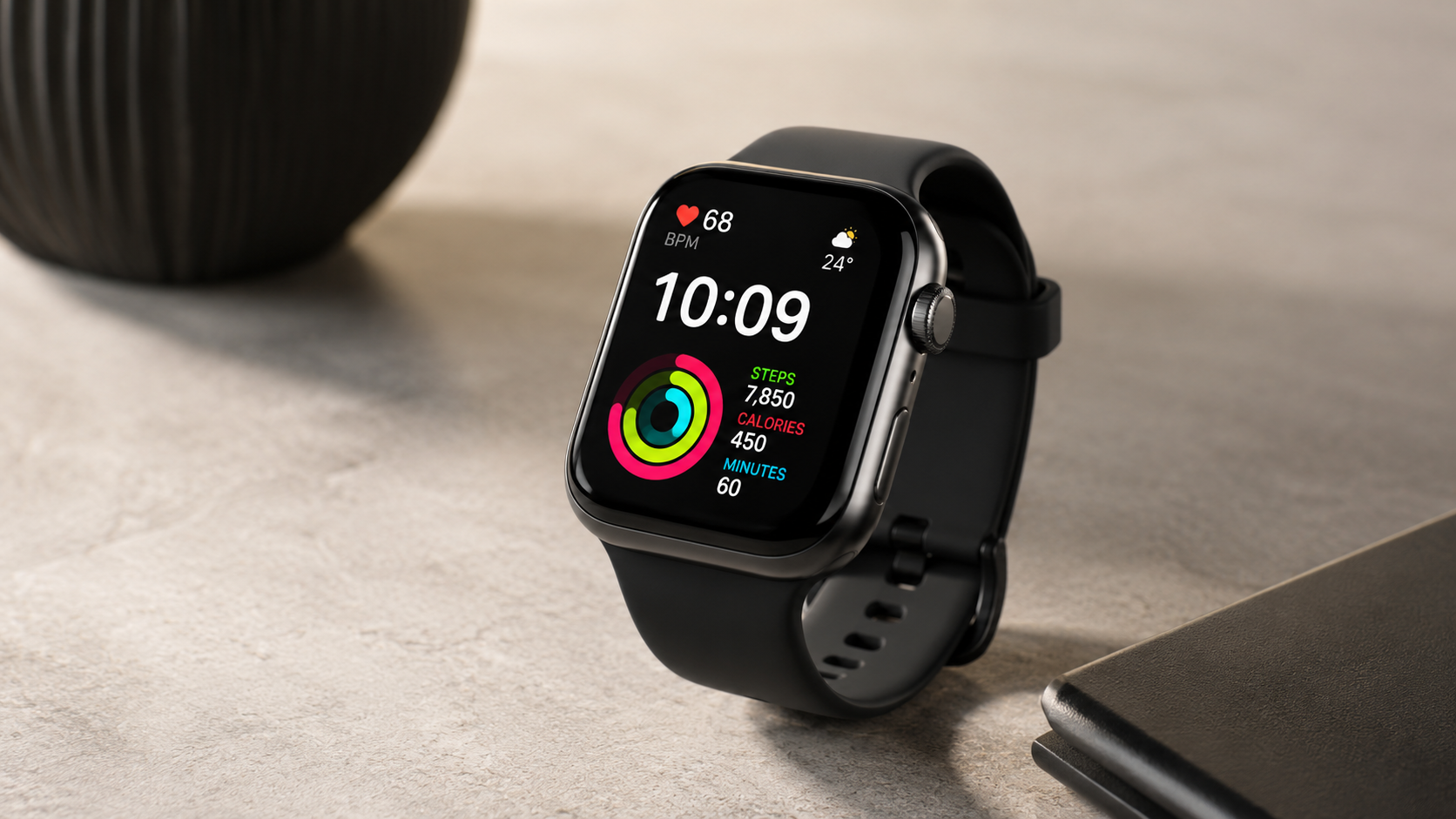
Customization is not one thing. A private label smart watch with a new logo, packaging and UI language is a different project from an ODM smart watch with modified PCBA, custom firmware logic and a customer-owned mobile application. Suppliers should be scored against the scope you actually need.
Use this four-level ladder to classify your project, then ask each candidate which levels they routinely deliver:
- Level 1 — Private label: existing model, logo, packaging, manual language, basic app branding.
- Level 2 — Light ODM: UI layout changes, function enable/disable, language packs, sampling-rate or threshold adjustments where the platform supports them.
- Level 3 — ODM with integration: firmware customization, customer backend or cloud integration, SDK/API data exchange, GPS or SOS protocol changes for 4G watches.
- Level 4 — Full custom: new housing and tooling, new PCBA architecture, new application and cloud platform, cellular certification planning.
Questions that reveal real engineering depth:
- Who writes the firmware — your in-house team, a partner, or the chipset vendor’s reference stack?
- Can you show how sensor sampling, screen-on time and connectivity settings were tuned on a previous project to hit a battery target?
- How do you handle water resistance when the design includes a speaker, microphone or SIM opening?
- What is your process for defining SDK availability, data fields and cloud-data ownership before development starts?
- Which parts of the BOM are you willing to freeze in writing before tooling begins?
Be careful with SDK and data claims. Open SDKs, raw sensor data access, source-code ownership and OTA authority are project- and contract-specific. A supplier who says “yes” to all of them without asking about your platform is answering a different question than the one you asked.
Verify the quality system with evidence, not certificates on a wall
ISO 9001:2015 is a useful baseline for an ISO certified smart watch manufacturer, but the certificate tells you a system exists — not that it is applied to your product. Convert the certificate into process evidence.
Factory audit checklist — request and review:
- Current ISO 9001:2015 certificate: scope wording, certification body, validity dates, and the legal entity name matching your contract counterparty.
- IQC records for main controller, battery, display and sensor lots — what is checked, against what specification, and what happens on rejection.
- IPQC checkpoints at SMT and assembly, with defined inspection items and sign-off.
- FQC scope: functional test, display inspection, battery aging where required, water-resistance pressure testing where required, final appearance.
- OQC sampling plan and AQL level, plus which reliability tests (aging, drop, UV, IPX) are included in your inspection plan versus optional.
- Traceability: can a finished unit be linked to its battery and mainboard lot?
- Non-conformance and corrective-action records from a recent production run, with the root cause and the change made.
Manufacturer-side note: the most common quality failure in smart watches is not a dead unit at final test — it is drift. Battery endurance, heart-rate consistency and water resistance can degrade across a production run if incoming component lots are not controlled. Ask how incoming battery and sensor lots are qualified, and whether aging or pressure testing is applied to every unit or by sample.
Separate certification support from model certification status
This is where many sourcing documents become misleading. A manufacturer’s ability to support CE, FCC and RoHS applications is a company-level capability. It is not proof that the specific model you are buying already holds those certifications, or that approval is guaranteed.
For each target market, request documentation per model and per configuration:
- The certificate or test report itself — check the model designation, the certificate holder, the standards cited and the issue date.
- Whether the certificate covers the exact radio configuration you are ordering (for example, Bluetooth-only versus a 4G variant).
- For cellular products, the applicable telecom or carrier approval path for the destination market, and who is responsible for it.
- Battery transport documentation where shipping requires it.
- Who submits the application, who pays the laboratory, and who owns the certificate.
Treat certification as a planning item, not a checkbox. MCU Bluetooth watches generally follow a simpler path than Android/4G watches, which may need additional cellular and market-specific evaluation. Requirements vary by product configuration, radio technology, battery design and destination market — confirm current requirements with the applicable laboratory, authority or qualified advisor before you commit to a launch date.
Red flag: any supplier who guarantees certification approval, a fixed certification timeline or a fixed certification cost before reviewing your exact model and market. Those outcomes depend on the product, the laboratory and the authority.
Pressure-test commercial terms before sampling
Commercial terms are selection criteria, not negotiation details to settle later. Four items deserve written clarity at shortlist stage.
MOQ. MOQ should track architecture and customization depth. An existing MCU Bluetooth platform with logo and packaging changes sits at a very different volume from a new Android/4G build with new tooling and application development. Ask each supplier to state MOQ by customization level, not as a single number, and to explain which cost drivers move it. Treat any MOQ figure as a reference until it is confirmed in a written quotation for your specific model and scope.
Lead time. Ask for sample lead time and mass-production lead time separately, and ask what extends them — new tooling, chipset or module supply constraints, application integration, or Q3–Q4 scheduling. A supplier who gives one lead-time figure for all projects has not understood your scope. Lead time is project-dependent and should be confirmed against the production schedule accepted with your order.
Tooling and IP ownership. Who owns the mold, the firmware, the application, the cloud data and the right to reuse the design for other customers? These must be defined in the signed agreement. “We usually give customers full ownership” is not a contract term.
Sample and pilot gates. Define approval criteria before the sample ships: functional test list, water-resistance test specification, battery endurance target under a stated usage profile, and cosmetic acceptance criteria. Then require a pilot run before mass production for any project with custom hardware, firmware, app or cellular architecture.
Red flags that should change your shortlist

These claims are common and should be converted into contract-defined terms or treated as unresolved risk:
- “Certification guaranteed.” Replace with: which certificate, which model, which market, who applies, who holds it, and what happens if testing fails.
- “Battery lasts X days.” Replace with: capacity, display and screen-on assumptions, GPS and 4G duty cycle, and a test protocol you can witness or repeat.
- “IP68 waterproof.” Replace with: the exact rating, the test method and pressure, and whether the rating applies to the configuration with speaker, microphone or SIM openings.
- “Full IP ownership.” Replace with: named deliverables, source-code escrow or delivery, OTA authority, and exclusivity scope.
- “We can do anything.” Replace with: the three most similar projects they delivered, described by architecture and customization level — without customer names if confidentiality applies.
- Vague platform answers. If the supplier cannot name the chipset family and explain why it suits your use case, the technical evaluation has not happened.
Pineeon Manufacturer-Side Recommendation
Run selection as a weighted scorecard, and score only what you have verified. A workable weighting for most B2B smart watch projects:
- Architecture and platform fit — 25%. Evidence that the supplier’s main platform family matches your use case, with named chipset families and a clear explanation of trade-offs.
- Engineering depth for your customization level — 20%. Firmware ownership, app and cloud integration experience, and a realistic view of what is feasible on the selected platform.
- Quality system evidence — 20%. ISO 9001:2015 certificate matched to the contracting entity, plus IQC/IPQC/FQC/OQC records and a project-specific inspection plan.
- Certification and compliance planning — 15%. Model-level documentation, clear responsibility split, and honest treatment of approval uncertainty.
- Commercial terms and IP clarity — 15%. MOQ by customization level, lead time by project type, tooling and IP ownership in writing.
- Communication and project governance — 5%. Named engineer, sample approval gates, pilot-run criteria and escalation path.
Then sequence the work: requirement confirmation, quotation and sample fee, structure and ID confirmation, engineering sample with functional and water-resistance testing, pilot run to validate yield and consistency, and only then mass-production approval. This sequence is standard practice in smart watch manufacturing because it catches architecture and tooling mistakes while they are still cheap to fix.
Certification documentation, testing and compliance-support capabilities vary by supplier and project. Confirm the exact scope, responsible parties and available records in writing before relying on them.
Before requesting a quotation, send suppliers a one-page brief covering architecture intent, target markets, customization level, expected annual volume and launch window. Suppliers who respond with specific questions about platform, certification path and tooling are showing you how they will manage the project — and that is the clearest selection signal you will get before sampling.
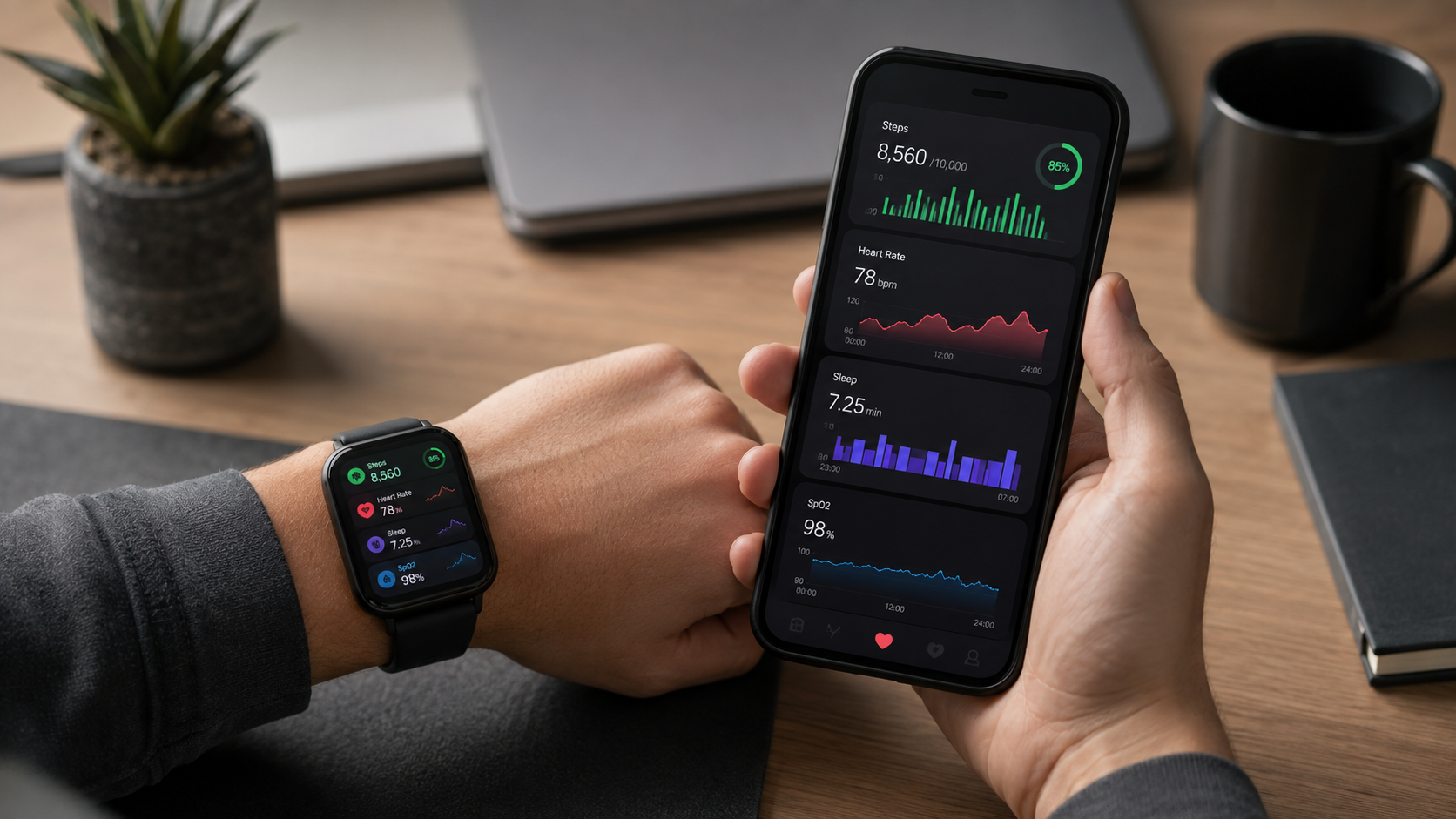
For product specifications, available configurations and OEM/ODM project information, see the Smart Watch product page.