smart ring sourcing for fitness brands is a key consideration for B2B buyers comparing sourcing, customization and manufacturing options for this project.
Fitness brands entering the smart ring market face a complex sourcing landscape. Unlike simple accessories, a smart ring integrates sensors, firmware, battery, and a companion app, all within a tiny form factor. This guide provides a step-by-step approach to source smart rings from manufacturers, covering everything from defining your requirements to mass production. Whether you are a startup or an established brand, these manufacturer-side insights will help you avoid common pitfalls and make informed decisions.
smart ring sourcing for fitness brands: Step 1: Define Your Product Requirements
Before contacting any supplier, you must have a clear product specification. This is the foundation of your entire sourcing project. Key decisions include:
- Target market and use case: Are you targeting general fitness, sleep tracking, or medical-grade monitoring? This affects sensor selection, accuracy requirements, and regulatory compliance.
- Sensor requirements: Which health metrics are essential? Common sensors include PPG (heart rate, SpO2), accelerometer (activity, sleep), skin temperature, and optional ECG. More sensors increase cost and power consumption.
- Battery life: Typical smart rings offer 4-7 days of battery life in standard mode, with power-saving modes extending to 7-10 days. Your target will influence battery capacity and firmware optimization.
- Water resistance: For fitness use, IP68 is common, but some sports models offer 5ATM. Verify the exact rating and test conditions.
- App and data integration: Do you need a branded app? Do you require raw data access or integration with Apple Health or Google Fit? This determines the level of software customization.
- Customization level: Are you looking for a ready-made private label solution, or do you need custom hardware, firmware, and app development? This is the biggest cost and timeline driver.
Document these requirements in a product requirements document (PRD) before approaching suppliers. This will help you communicate clearly and receive accurate quotations.
Step 2: Understand OEM vs. ODM Options
A structured smart ring sourcing for fitness brands should compare engineering capability, quality control and project fit rather than price alone.
A structured smart ring sourcing for fitness brands should compare engineering capability, quality control and project fit rather than price alone.
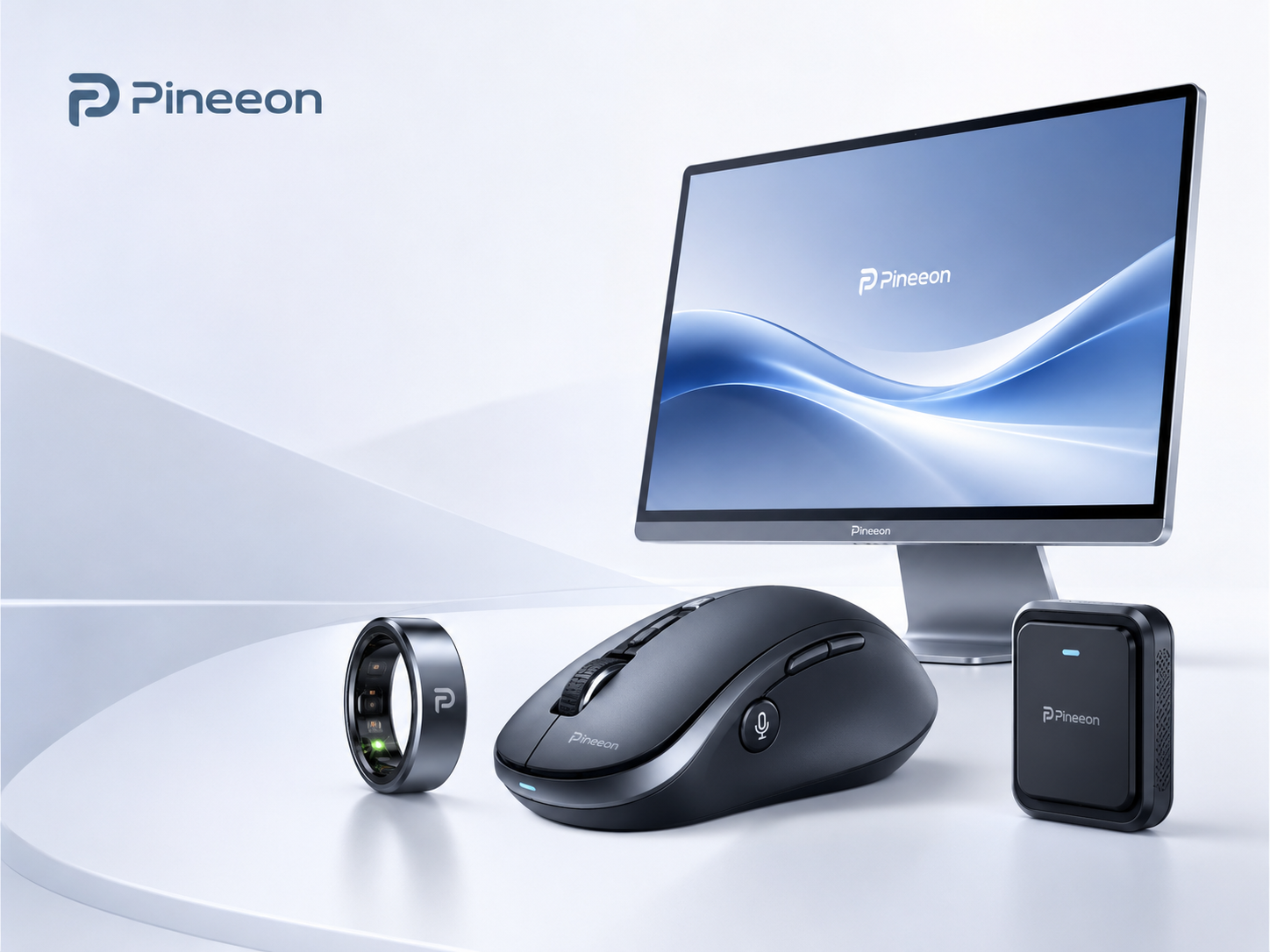
Smart ring manufacturers typically offer three levels of engagement:
- Private Label (Stock Solutions): The manufacturer has existing designs (public molds) that you can brand with your logo and packaging. This is the fastest and most cost-effective route, with MOQs typically starting at 1,000-3,000 pieces per model.
- ODM (Original Design Manufacturing): The manufacturer modifies an existing design to your specifications, such as changing materials, colors, sensors, or firmware parameters. MOQs are higher, around 2,000-5,000 pieces.
- OEM (Original Equipment Manufacturing): You provide the design or work with the manufacturer to develop a completely new product, including custom PCBA, tooling, and firmware. This requires the highest MOQ (5,000-10,000 pieces) and significant development time and cost.
Most fitness brands start with private label or ODM to test the market, then move to OEM as they scale. Discuss your long-term plans with the manufacturer to ensure they can support your growth.
Step 3: Shortlist and Evaluate Suppliers
Finding the right smart ring manufacturer is critical. Here are key criteria to evaluate:
- Experience and track record: Look for manufacturers with at least 5-10 years in wearable electronics. For example, Pineeon has been operating since 2000 and serves brands in 40+ countries.
- Quality management: Check for ISO 9001:2015 certification, which indicates a quality management system. Ask about their IQC, IPQC, FQC, and OQC processes.
- Technical capabilities: Do they have in-house engineering for hardware, firmware, and app development? Can they handle sensor integration and algorithm optimization?
- Certification support: A good manufacturer should support CE, FCC, and RoHS compliance applications. However, remember that factory capability does not mean every model is certified. Verify model-specific certifications.
- Communication and responsiveness: Evaluate how quickly they respond to inquiries and whether they provide detailed technical answers.
- Financial stability and capacity: While not always disclosed, you can gauge this through their production lead times and willingness to provide references.
Create a supplier scorecard and compare at least 3-5 manufacturers. Request a sample of their existing products to evaluate quality firsthand.
Step 4: Request for Quotation (RFQ) and Compare Proposals
Once you have shortlisted suppliers, send a detailed RFQ that includes your PRD, target quantities, and any specific requirements. The quotation should include:
- Unit price (FOB or EXW) and any tooling costs.
- MOQ and price breaks at higher quantities.
- Sample lead time and cost.
- Mass production lead time.
- Customization options and associated costs.
- Certification support and any costs.
- Payment terms (typically 30% deposit, 70% before shipment).
Compare proposals not just on price, but on the total cost of ownership, including development time, quality, and support. Be wary of unusually low prices, as they may indicate compromised quality or hidden costs.
Step 5: Sample Development and Evaluation
For B2B buyers, a useful smart ring sourcing for fitness brands also checks documentation, communication and scalability before supplier approval.
Sample development is the most critical phase to validate the product. The process typically involves:
- Confirm specifications: Finalize ring size range, material, color, sensor stack, and app requirements.
- Initial sample: For existing molds, samples can be ready in 3-7 days. For custom tooling, expect 30-45 days.
- Functional testing: Test heart rate, SpO2, sleep tracking, battery life, water resistance, and Bluetooth connectivity.
- App integration: If you are using a white-label app, test the user experience. If you require custom app development, this will take longer.
- EVT/DVT/PVT: For custom projects, you may go through Engineering Validation Testing, Design Validation Testing, and Production Validation Testing phases.
During evaluation, pay attention to sensor accuracy, battery performance, and comfort. Ask for raw data logs to verify accuracy against reference devices. Also, test the app on both Android and iOS.
Step 6: Quality Control and Inspection
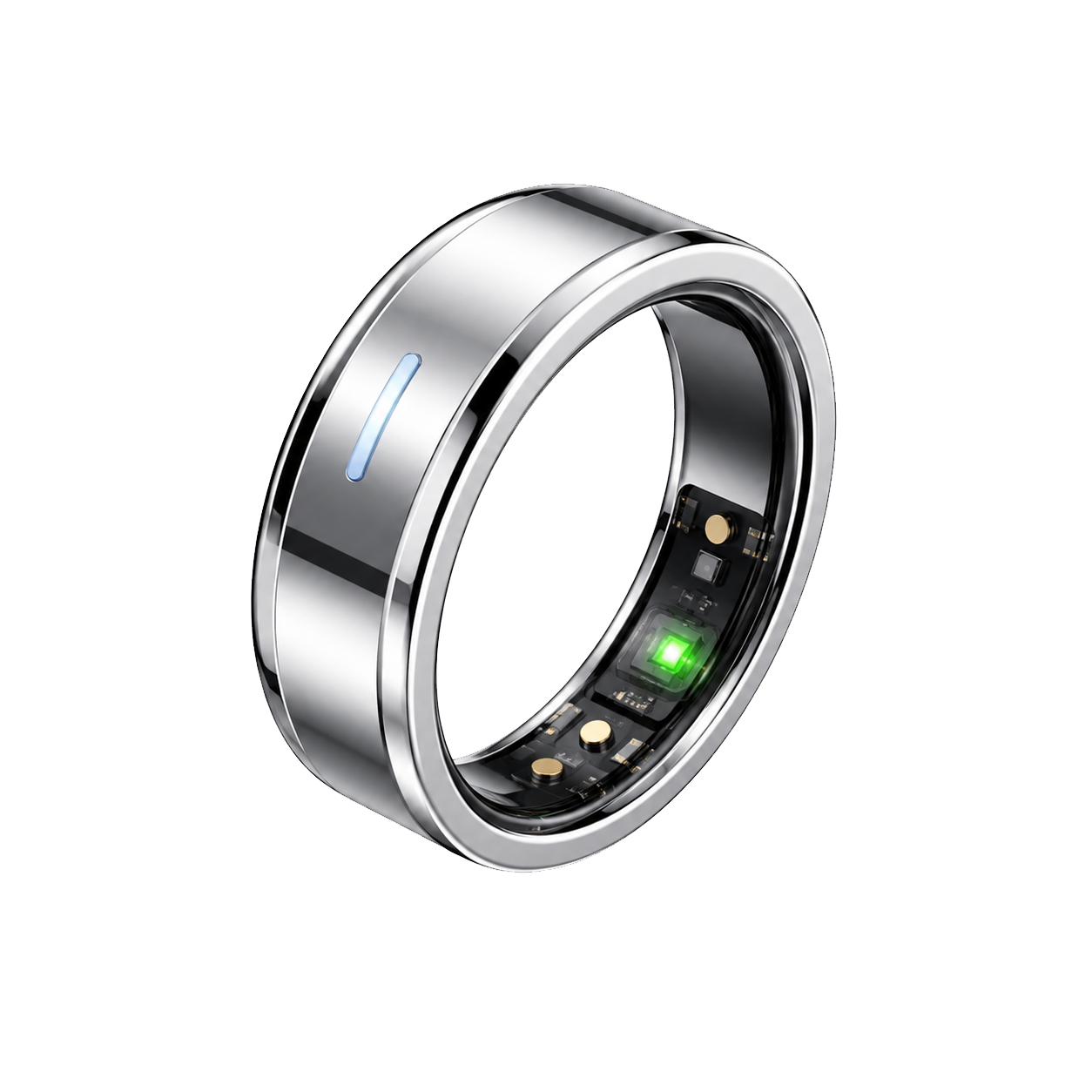
Quality control is essential to avoid receiving defective products. A reliable manufacturer will have a multi-stage QC process:
- IQC (Incoming Quality Control): Inspection of raw materials and components.
- IPQC (In-Process Quality Control): Monitoring during SMT and assembly.
- FQC (Final Quality Control): Functional and appearance checks on finished products.
- OQC (Outgoing Quality Control): Sampling inspection before shipment.
Agree on an Acceptable Quality Level (AQL) in your contract, commonly AQL 1.5 or 2.5. You may also hire a third-party inspection company to conduct pre-shipment inspections. Ensure the manufacturer provides test reports for each batch.
Step 7: Compliance and Certification
Smart rings are electronic devices with wireless connectivity, so they must comply with regulations in your target markets. Common requirements include:
- CE (Europe): Radio Equipment Directive (RED) and EMC.
- FCC (USA): Part 15 for intentional radiators.
- RoHS (Europe): Restriction of hazardous substances.
- Other: Bluetooth SIG qualification (BQB), and possibly UN38.3 for battery transport.
Certification is project-dependent and must be verified for each model. A reputable manufacturer can provide technical documentation and testing support for CE, FCC, and RoHS applications, but final approval depends on the specific product and market. Confirm the certification scope and who holds the certificates before mass production.
Step 8: Mass Production and Logistics
The goal of a smart ring sourcing for fitness brands is to identify verifiable differences between suppliers and convert them into RFQ questions and acceptance criteria.
Once samples are approved and certifications are in place, you can proceed to mass production. Key considerations:
- Lead time: Standard private label production typically takes 15-30 days, while custom projects may take 45-90 days. Plan for seasonal peaks (Q3-Q4) which may extend lead times.
- MOQ and payment: Confirm the MOQ and payment schedule. Typically, a 30% deposit is required to start production.
- Packaging: Decide on packaging options, from standard color boxes to premium gift boxes. Ensure your branding and labeling are correct.
- Shipping: Choose Incoterms (FOB, EXW, etc.) and arrange freight. Consider air vs. sea based on cost and urgency.
- Post-shipment support: Clarify warranty terms and after-sales support for defective units.
Maintain clear communication with the manufacturer throughout production and request regular progress updates and photos.
Pineeon Manufacturer-Side Recommendation
As a manufacturer with over 20 years of experience, we recommend fitness brands to:
- Start with a clear PRD: The more detailed your requirements, the more accurate the quotation and faster the development.
- Choose the right customization level: If you are new to the market, consider private label or ODM to reduce risk and time-to-market. Reserve full OEM for when you have validated demand.
- Invest in sample evaluation: Do not skip thorough testing of samples. It is cheaper to catch issues early than to deal with returns later.
- Plan for certification early: Certification can take weeks or months. Start the process as soon as you have a final design.
- Build a long-term partnership: A reliable manufacturer is an extension of your team. Look for one that offers transparent communication and technical support.
At Pineeon, we have supported brands in 40+ countries with smart ring OEM/ODM projects. We are ISO 9001:2015 certified and provide end-to-end services from design to mass production. Explore our smart ring solutions to see how we can help you launch your product.
Common Sourcing Mistakes to Avoid
- Choosing the cheapest supplier: Low prices often mean lower quality components or poor support.
- Ignoring firmware and app quality: The hardware is only half the product; a buggy app will ruin the user experience.
- Underestimating certification complexity: Each market has different rules. Verify requirements early.
- Skipping pilot production: For custom projects, a pilot run helps identify production issues before full-scale manufacturing.
- Not protecting your IP: Ensure your contract defines ownership of firmware, source code, and tooling.
Conclusion
Sourcing a smart ring for your fitness brand is a multi-step process that requires careful planning and execution. By following this guide, you can navigate the complexities of supplier selection, customization, quality control, and compliance. Remember to work with a manufacturer that aligns with your goals and can support you from concept to delivery. Start your project with a clear vision and a reliable partner, and you will be well on your way to launching a successful smart ring.