When you are sourcing smart rings for your brand, one of the first decisions you will face is whether to work with a factory on an OEM or ODM basis. The choice affects your product’s uniqueness, your development timeline, your upfront investment, and even your long-term control over the product. This guide explains the practical differences between smart ring OEM and ODM, the trade-offs you need to evaluate, and a decision framework that will help you choose the right path for your business.
What Does OEM Mean for Smart Rings?
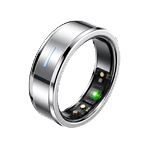
OEM, or Original Equipment Manufacturing, typically means that you bring your own design and specifications to the factory. In the smart ring context, OEM can range from minor modifications to an existing platform to a fully custom design where you control the enclosure, PCBA, sensor configuration, firmware, and even the mobile app. The factory’s role is to manufacture according to your requirements, but you are responsible for the product definition and often for the design files.
In practice, many buyers use the term “OEM” loosely. Some factories refer to any customization as OEM, while others reserve it for projects where the buyer provides a complete design. For this article, we will define OEM as a project where you have significant control over the product’s design and specifications, whether you create them yourself or co-develop them with the factory.
What Does ODM Mean for Smart Rings?
ODM, or Original Design Manufacturing, means the factory has an existing product design that you can brand and sell as your own. In the smart ring world, an ODM platform typically includes a proven enclosure, a tested PCBA, firmware, and a companion app. You can customize the logo, packaging, and sometimes the color or material, but the core hardware and software remain largely the same as the factory’s reference design.
ODM is often the fastest and most cost-effective way to enter the smart ring market. You leverage the factory’s engineering work, testing, and supply chain. The trade-off is that your product will not be unique—other brands may offer the same hardware with different branding. If you need a differentiated product, you will need to move toward OEM or a hybrid approach.
Key Differences Between OEM and ODM
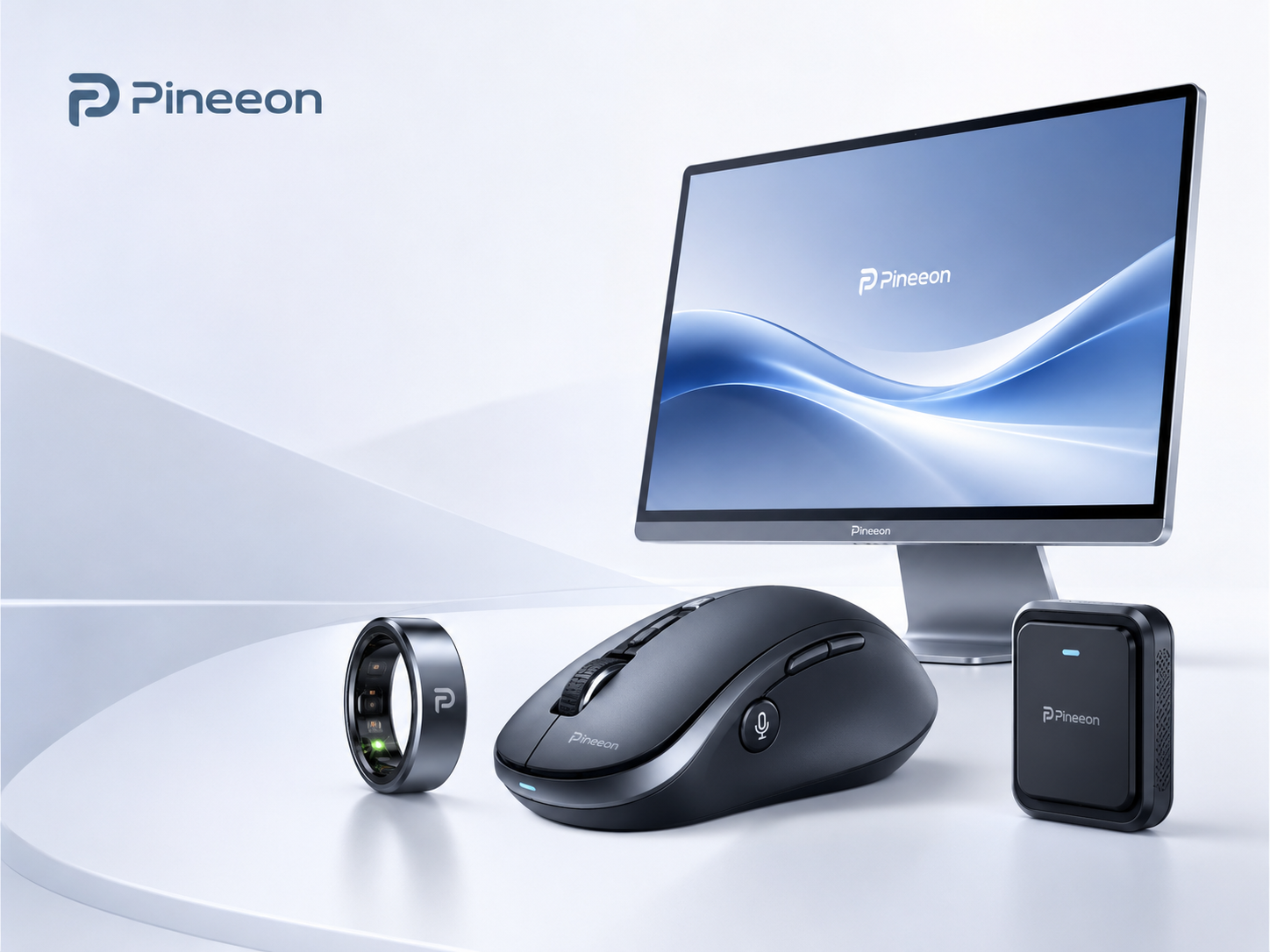
The table below summarizes the main differences you should consider when evaluating OEM vs ODM for your smart ring project.
| Factor | ODM | OEM (Full Custom) |
|---|---|---|
| Customization Depth | Limited to branding, packaging, and minor cosmetic changes | Full control over hardware, firmware, app, and design |
| Development Time | Short – often 3-7 days for samples if using an existing mold | Long – 30-90+ days for samples, plus tooling and testing |
| Upfront Investment | Lower – no NRE for design, but may have sample fees | Higher – NRE for tooling, engineering, and testing |
| MOQ | Lower – typically 1000-3000 pcs per model | Higher – typically 5000-10000 pcs for full custom |
| IP Ownership | Factory owns the design; you own the brand | You may own the design, but negotiate IP terms |
| Risk | Lower – proven platform, but less differentiation | Higher – development risk, but potential for unique product |
| Time to Market | Fast – leverage existing platform | Slow – requires development and validation |
These are general trends. The exact numbers depend on the factory and the specific project. Always confirm MOQ, lead time, and costs with your supplier.
When to Choose ODM for Your Smart Ring
ODM is the right choice if you are a new brand, a distributor, or an e-commerce seller looking to enter the smart ring market quickly with minimal risk. You can launch a product with your branding and packaging, test the market, and build a customer base without investing heavily in R&D.
ODM is also suitable if you do not have in-house engineering expertise or if your budget is limited. You can rely on the factory’s expertise to deliver a working product. However, you must accept that your product will not be unique. If your competitors use the same ODM platform, you will need to compete on price, marketing, or customer service.
When evaluating an ODM supplier, ask about the specific platform’s features, sensor configuration, battery life, and app capabilities. Ensure the platform meets your target market’s requirements. Also, check if the factory can customize the app’s branding and basic UI elements, as this can enhance your brand presence.
When to Choose OEM for Your Smart Ring
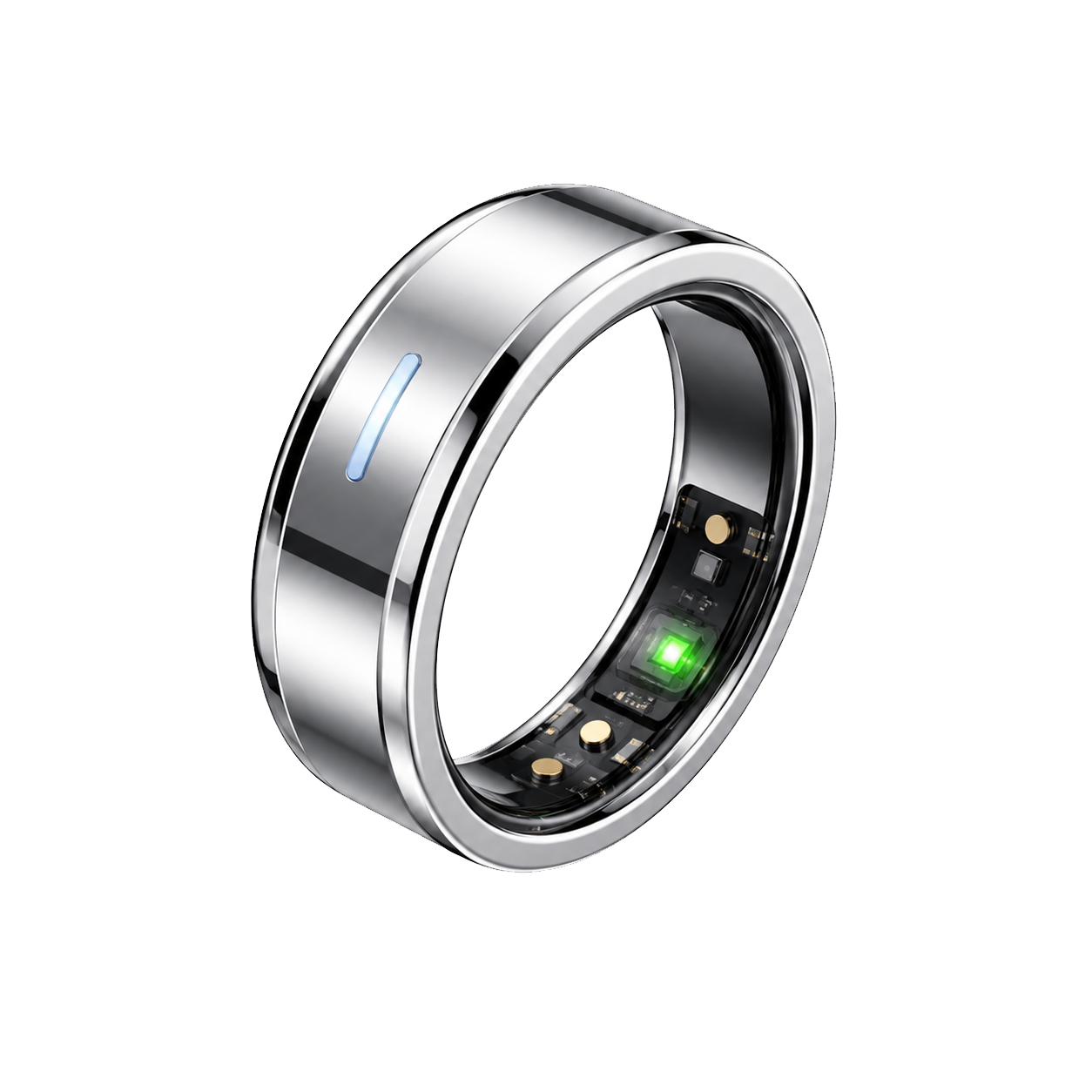
OEM is the right choice if you have a clear product vision that requires unique hardware, firmware, or software. For example, if you want to integrate a specific sensor, achieve a certain battery life, or offer a proprietary health algorithm, you will need OEM development.
OEM is also appropriate if you plan to build a long-term brand and want to own the product design. You can differentiate your product from competitors and potentially file for design patents (subject to verification). However, OEM requires a larger upfront investment and a longer development timeline. You must be prepared to manage the development process, including multiple sample rounds and testing.
Before committing to OEM, ensure you have a detailed product specification. This includes the ring size range, material, color, sensor stack, battery capacity, water resistance rating, and app features. The more detailed your specification, the more accurate the factory’s quotation and timeline will be.
Hybrid Approach: Customizing an ODM Platform
Many smart ring projects fall between pure ODM and full OEM. You can start with an existing ODM platform and customize certain aspects, such as the enclosure material, color, or even the sensor configuration, without redesigning the entire product. This hybrid approach offers a balance between speed and differentiation.
For example, you might choose an ODM platform with a proven PPG sensor and then request a custom color and a different battery size (if the enclosure allows). You could also work with the factory to adjust the firmware to change the sampling rate or add a specific feature. This level of customization may require a higher MOQ and longer lead time than standard ODM, but it is still faster and less expensive than full OEM.
When considering a hybrid approach, discuss with the factory which components can be modified without affecting the overall design. Some changes, like swapping the battery, may require new tooling if the enclosure dimensions change. Others, like firmware tweaks, may be relatively simple.
Technical Considerations in OEM vs ODM
Beyond the business model, you need to understand the technical implications of your choice. The smart ring’s hardware, firmware, and app are tightly integrated. Changing one component can affect performance and battery life.
Hardware Customization
In ODM, the hardware is fixed. You cannot change the sensor configuration or the PCB layout. In OEM, you have the freedom to select different sensors, such as a multi-wavelength PPG for improved heart rate accuracy or an ECG electrode for single-lead ECG (on selected platforms). However, each sensor addition affects power consumption and space constraints. The ring’s small form factor limits battery capacity, typically 15-30 mAh depending on size, so you must balance features with battery life.
Firmware and Algorithms
ODM platforms come with pre-tested firmware and algorithms. You can usually adjust parameters like sampling frequency or enable/disable features, but you cannot change the core algorithms without deep customization. In OEM, you can work with the factory to integrate custom algorithms, either yours or jointly developed. This is critical if you want to offer unique health metrics or improve accuracy for specific use cases.
Mobile App and Cloud Integration
Both OEM and ODM projects require a companion app. In ODM, the factory provides a standard app that you can rebrand with your logo and colors. In OEM, you can customize the app’s UI, add modules, or even develop your own app using the SDK/API. If you need raw sensor data or cloud integration, you must negotiate these rights in the ODM agreement. Raw data access is not always included and may require separate terms.
Cost and MOQ Implications
Cost is a major factor in the OEM vs ODM decision. ODM projects have lower upfront costs because you are not paying for design and tooling. However, the per-unit cost may be higher if the factory has to recover its R&D costs through the product price. In contrast, OEM projects require NRE (Non-Recurring Engineering) fees for tooling, design, and testing, but the per-unit cost may be lower once you reach higher volumes.
MOQ (Minimum Order Quantity) is another critical factor. For ODM, MOQs are typically lower, often 1000-3000 pcs per model. For OEM, MOQs are higher, typically 5000-10000 pcs, because the factory needs to justify the investment in new tooling and production setup. If you are a startup with limited capital, ODM may be the only viable option initially.
Always ask for a detailed quotation that breaks down the costs: tooling, samples, per-unit price, and any software customization fees. This will help you compare different suppliers and models.
Quality Control and Certification
Regardless of whether you choose OEM or ODM, you must ensure the factory has robust quality control processes. Look for factories that follow IQC, IPQC, FQC, and OQC procedures. They should also be able to provide test reports for key parameters like battery life, water resistance, and sensor accuracy.
Certification is another area where OEM and ODM differ. In ODM, the factory may already have certifications for the base model, such as CE, FCC, or RoHS. You can leverage these, but you must verify that the certificate covers your specific configuration and that you are listed as the responsible party if required. In OEM, you will need to plan for certification from the start, as the product is new. The factory can support you, but the certification process adds time and cost.
Always confirm the certification scope with the factory. Factory-level support does not mean every model is certified. You may need to conduct additional testing for your target market.
Decision Framework: OEM vs ODM
To help you decide, use the following checklist. Answer each question honestly.
- What is your budget for development? If you have limited upfront capital, ODM is more feasible.
- How quickly do you need to launch? If you need to hit a market window, ODM is faster.
- Do you need a unique product to stand out? If yes, OEM or hybrid is necessary.
- Do you have in-house engineering expertise? If not, ODM reduces technical risk.
- What is your expected sales volume? If you plan to sell thousands of units, OEM may be cost-effective in the long run.
- Do you want to own the product design? If yes, OEM with IP agreements is required.
- Are you willing to manage a longer development process? If not, ODM is simpler.
If you answered mostly “ODM” to these questions, start with an ODM platform. If you answered mostly “OEM,” prepare a detailed specification and budget for development.
Pineeon Manufacturer-Side Recommendation
From our experience as a smart ring OEM/ODM manufacturer, we recommend that most new brands start with an ODM or hybrid approach. This allows you to validate the market and generate revenue while you learn about customer preferences. Once you have a proven product and a clearer understanding of your target audience, you can invest in OEM development to create a differentiated product.
When you approach a factory, be transparent about your business goals and constraints. A good manufacturer will help you choose the most cost-effective path. At Pineeon, we evaluate each project individually. We offer both ODM platforms and OEM development, and we can guide you through the trade-offs. Our team can help you define your requirements, estimate MOQ and lead time, and plan for certification.
If you are considering a smart ring project, we encourage you to explore our smart ring OEM/ODM solutions and contact us for a project evaluation. We will work with you to determine the best approach based on your specific needs.
Common Pitfalls to Avoid
Even with a clear decision, buyers often make mistakes that delay projects or increase costs. Here are some pitfalls to avoid:
- Not defining your requirements clearly: Vague specifications lead to inaccurate quotes and multiple sample rounds.
- Ignoring software customization: The app is a critical part of the user experience. Ensure you budget for app customization.
- Overlooking certification: Failing to plan for certification can delay your launch and incur unexpected costs.
- Choosing the lowest price without considering quality: A cheap product may have poor sensor accuracy or battery life, damaging your brand.
- Not negotiating IP terms: If you are doing OEM, ensure you own the design and have rights to the firmware and app.
By avoiding these pitfalls, you can streamline your project and reduce risk.
Conclusion
Choosing between smart ring OEM and ODM is a strategic decision that affects your product’s uniqueness, cost, and time to market. ODM offers speed and lower risk, while OEM provides differentiation and control. Many projects benefit from a hybrid approach. Evaluate your budget, timeline, and long-term goals, and work with a manufacturer that can support both options. With the right partner, you can bring a successful smart ring to market.