Selecting a GPS tracker OEM/ODM partner is not a single-point decision. It is a continuous process that requires structured evaluation before you commit to a pilot order and throughout the life of the partnership. A supplier scorecard gives you a repeatable, data-driven way to compare vendors, monitor performance, and identify risks before they become costly field failures.
This guide explains how to build a GPS tracker supplier scorecard tailored to the realities of connected hardware: cellular network compatibility, protocol integration, certification support, and post-shipment reliability. You will find a weighted scoring framework, practical metrics, common pitfalls, and manufacturer-side reasoning that generic sourcing advice often misses.
Why a Generic Supplier Scorecard Is Not Enough for GPS Trackers
GPS trackers are not simple consumer electronics. They are enterprise IoT devices that depend on cellular connectivity, GNSS positioning, cloud platforms, and communication protocols. A supplier that performs well on cosmetic quality may still fail you on network compatibility or protocol integration.
Generic scorecards typically focus on price, lead time, and basic quality. For GPS trackers, you must also evaluate:
- Cellular architecture: Does the supplier offer 2G, 4G LTE Cat.1, or NB-IoT options? Is the chosen network available in your target market?
- Protocol and platform compatibility: Can the device integrate with Traccar, Wialon, or your own platform? Is compatibility verified through testing?
- Certification support: Does the supplier provide documentation and testing support for CE, FCC, and RoHS? What about market-specific cellular approvals like PTCRB?
- Firmware customization: Can the supplier adjust reporting intervals, alarm logic, or communication protocols?
- Field reliability: How does the device perform in real-world environments—vehicle metal shielding, urban canyons, or container installations?
A scorecard that ignores these dimensions will lead you to a supplier that looks good on paper but fails in the field.
Core Categories and Weighting for a GPS Tracker Supplier Scorecard
A structured GPS tracker supplier scorecard should compare engineering capability, quality control and project fit rather than price alone.
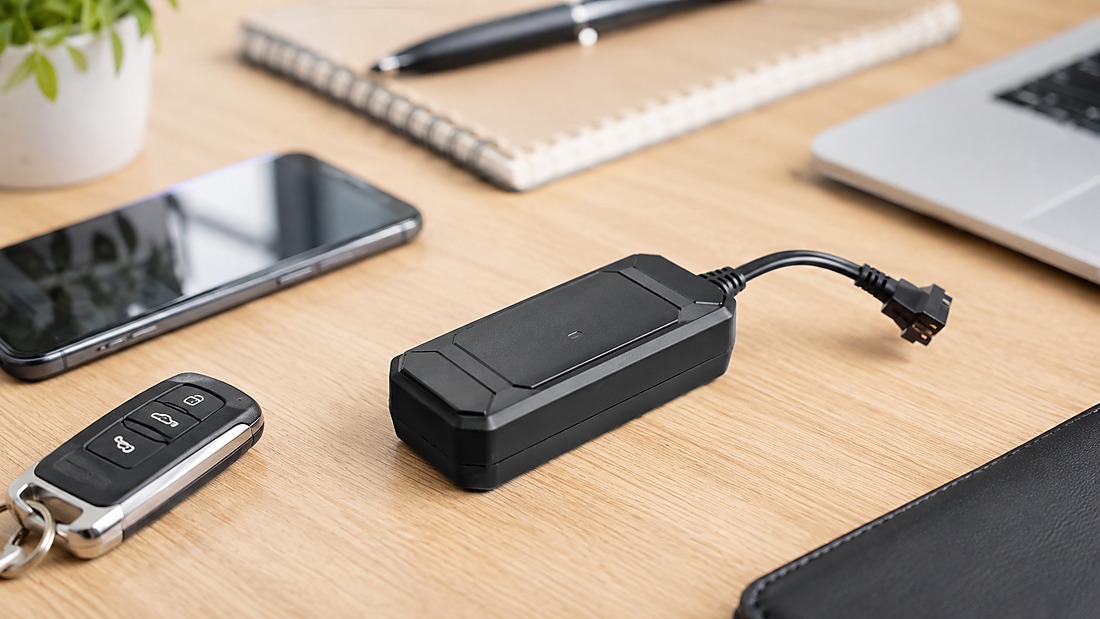
Your scorecard should balance short-term operational metrics with long-term strategic capability. The following weights reflect typical priorities for B2B buyers, but adjust them to your specific product and market.
| Category | Weight | Key Metrics |
|---|---|---|
| Quality | 30% | Defect rate (DPPM), field failure rate, first-pass yield, reliability test results |
| Delivery | 20% | On-time in-full (OTIF), lead time adherence, sample turnaround |
| Compliance & Certification | 20% | Documentation support, certification status, testing capability, regulatory responsiveness |
| Technical Capability | 15% | Firmware customization, protocol integration, platform support, hardware modification |
| Communication & Responsiveness | 10% | Response time, technical clarity, proactive issue reporting |
| Cost & Commercial Terms | 5% | Price competitiveness, MOQ flexibility, payment terms, IP protection |
These weights are a starting point. If you are sourcing for a safety-critical application, increase the quality weight. If you are entering a new market with strict regulations, increase the compliance weight.
Defining Quality Metrics for GPS Trackers
Quality in GPS trackers goes beyond cosmetic defects. You need metrics that reflect the device’s core function: accurate positioning and reliable data transmission.
Incoming and In-Process Quality
Ask your supplier about their IQC (Incoming Quality Control) and IPQC (In-Process Quality Control) procedures. For GPS trackers, critical components include GNSS modules, cellular modules, batteries, SIM holders, antennas, and waterproofing components. A robust supplier will have checkpoints for SMT soldering, antenna routing, and enclosure sealing.
Final and Outgoing Quality
Final Quality Control (FQC) should include SIM verification, APN configuration, cellular connection stability, GNSS positioning accuracy, route history recording, and platform data verification. Some suppliers perform 100% final inspection on these functions. Outgoing Quality Control (OQC) should use AQL sampling and include aging tests, drop tests, and IPX waterproof testing where applicable.
Field Failure Rate
The most meaningful quality metric is the field failure rate—how many devices fail after deployment. This requires a feedback loop from your customers or end-users. Track failures by symptom (e.g., no GPS fix, no cellular connection, battery drain) and correlate them with production batches. A scorecard should include a target field failure rate (e.g., less than 1% within the first year) and review it quarterly.
Delivery and Lead Time Metrics
Delivery performance is critical for product launches and replenishment. Use OTIF (On-Time In-Full) as your primary metric. For GPS trackers, lead times vary significantly by customization level:
- Standard private label: Lead time depends on the existing product and production schedule; confirm with the supplier.
- Firmware customization: Sample lead time and mass production lead time depend on the scope of changes; confirm with the supplier.
- Hardware modification: Sample lead time and mass production lead time depend on the change; confirm with the supplier.
- Full ODM: Tooling and development require a project-specific timeline; confirm with the supplier.
When evaluating suppliers, ask for their actual lead time performance over the past year. A supplier that consistently misses deadlines will disrupt your inventory and customer commitments.
Compliance and Certification Support
For B2B buyers, a useful GPS tracker supplier scorecard also checks documentation, communication and scalability before supplier approval.
GPS trackers with cellular communication face a more complex compliance path than Bluetooth-only devices. Your scorecard should assess the supplier’s ability to support certification, not just claim that their products are certified.
Key certifications to consider:
- CE for European market
- FCC for the United States
- RoHS for restricted substances
- PTCRB for North American cellular devices (if applicable)
- Local carrier approvals for destination-market networks
Verify that the supplier can provide technical documentation and testing support for these certifications. For example, a supplier may support applicable CE, FCC, and RoHS certification or compliance applications, providing relevant technical documentation and testing support. However, final certification approval depends on the specific product model, configuration, target market, and testing laboratory. Your scorecard should include a metric for how quickly the supplier responds to certification-related questions and whether they have experience with your target market’s requirements.
Technical Capability and Platform Integration

GPS trackers are only useful if they can communicate with your chosen platform. Your scorecard should evaluate the supplier’s technical depth in three areas:
Firmware Customization
Can the supplier modify reporting intervals, sleep strategies, geo-fence logic, or alarm thresholds? For deeper customization, can they develop custom communication protocols or integrate with your own server? Ask for examples of past firmware customization projects, but be aware that specific client details may be confidential.
Protocol and Platform Compatibility
Common protocols include GT06 (widely used with Traccar) and Wialon IPS. Your scorecard should require proof of compatibility through actual testing, not just a claim. Ask the supplier to run a sample device on your platform before you commit to a large order.
Cloud and Data Ownership
Determine whether the supplier offers a factory cloud platform, supports third-party platforms, or can connect directly to your own server. Data ownership and server control should be defined contractually. A supplier that forces you to use their cloud may limit your long-term flexibility.
Communication and Responsiveness
Supplier communication is often underweighted in scorecards, but it can make or break a project. Evaluate how quickly the supplier responds to technical questions, whether they provide clear and honest answers, and whether they proactively flag risks (e.g., component shortages, certification delays).
During the sample phase, note how long it takes to get a quotation, receive samples, and resolve issues. A supplier that is slow to respond during evaluation will likely be slow during mass production.
Common Pitfalls in GPS Tracker Supplier Evaluation
The goal of a GPS tracker supplier scorecard is to identify verifiable differences between suppliers and convert them into RFQ questions and acceptance criteria.
Even with a scorecard, buyers fall into traps. Here are the most common ones and how to avoid them:
- Overemphasizing price: The cheapest supplier may cut corners on cellular modules, antennas, or testing. Use a total cost of ownership approach that includes field failures and support costs.
- Ignoring post-sales support: GPS trackers require ongoing firmware updates, platform integration, and troubleshooting. Evaluate the supplier’s long-term support capability.
- Assuming 2G is available: Many markets have shut down 2G networks. Verify network availability before selecting a 2G tracker.
- Not testing protocol compatibility: A supplier may claim Traccar compatibility, but if the protocol implementation is flawed, your devices will not connect. Always test with a sample.
- Overlooking certification ownership: Clarify who owns the certification and whether it can be transferred. If the certificate is in the supplier’s name, you may not be able to use it for your own market entry.
- Ignoring data ownership: If your tracking data flows through the supplier’s server, you may lose control. Define data ownership and access rights in the contract.
Building Your Scorecard: A Step-by-Step Process
- Define your requirements: List your must-have features (e.g., 4G LTE, IP67, specific battery life), target markets, and certification needs.
- Select metrics and weights: Use the framework above as a starting point, but customize it to your priorities.
- Collect data: Request supplier documentation, visit their factory (or conduct a virtual audit), and run sample tests.
- Score each supplier: Use a 1-5 scale for each metric, multiply by the weight, and sum to get a total score.
- Review and act: Use the scores to shortlist suppliers, then conduct deeper audits and pilot orders. Re-score periodically to track performance.
Pineeon Manufacturer-Side Recommendation

As a manufacturer with over 20 years of experience in smart electronics, we recommend that buyers treat the scorecard as a living document, not a one-time exercise. Start with a pilot order of 50-100 units to validate the supplier’s claims under real-world conditions. Use the scorecard to document performance during the pilot and set improvement targets.
When evaluating GPS tracker suppliers, pay special attention to their ability to support your specific architecture. At Pineeon, we emphasize that buyers first define their destination market, cellular network, tracking application, and platform before selecting hardware. This approach avoids costly rework.
Certification documentation, testing and compliance-support capabilities vary by supplier and project. Confirm the exact scope, responsible parties and available records in writing before relying on them.
Finally, do not underestimate the importance of communication. A supplier that responds quickly and clearly during the evaluation phase is more likely to be a reliable partner during mass production. Use the scorecard to formalize communication expectations and review them regularly.
Checklist for GPS Tracker Supplier Evaluation
Before final selection, repeat the GPS tracker supplier scorecard against samples, written specifications and the agreed production scope.
- Define your target market and cellular network requirements (2G, 4G, NB-IoT).
- Confirm the supplier’s experience with your required protocol (GT06, Wialon, custom).
- Request sample devices for platform testing before committing to a large order.
- Verify certification support: CE, FCC, RoHS, PTCRB, carrier approvals.
- Clarify data ownership and server access in the contract.
- Check the supplier’s quality control process: IQC, IPQC, FQC, OQC.
- Ask for field failure rate data and references (if available).
- Evaluate lead time performance and flexibility for your order size.
- Assess communication responsiveness during the sample phase.
- Review the supplier’s financial stability and long-term viability.
Frequently Asked Questions
What is the most important metric in a GPS tracker supplier scorecard?
Field failure rate is often the most important because it directly impacts your customers and your brand. However, for new suppliers, you may need to rely on proxy metrics like defect rate and reliability test results until you have field data.
How do I verify a supplier’s protocol compatibility claim?
Request a sample device and test it on your chosen platform (e.g., Traccar or Wialon) before placing a bulk order. Ask the supplier to provide a protocol specification and confirm that the firmware version you are testing is the same as what will be mass-produced.
Should I use a weighted scorecard for all GPS tracker suppliers?
Yes, a weighted scorecard ensures you evaluate all suppliers consistently. Adjust the weights based on your product requirements and market. For example, if you are entering a new market with strict regulations, increase the compliance weight.
How often should I update the supplier scorecard?
Review the scorecard at least quarterly, and after any major quality incident or delivery failure. Also update it when your product requirements change, such as when you add a new market or feature.
What should I do if a supplier fails on a critical metric?
If a supplier fails on a critical metric like certification support or protocol compatibility, consider removing them from your shortlist. If they fail on a less critical metric, set improvement targets and monitor progress. The scorecard should drive continuous improvement.
Can a scorecard help negotiate better terms?
Yes, a scorecard gives you objective data to discuss performance and pricing. If a supplier scores high on quality and delivery, they may justify a higher price. Conversely, if they score low, you can negotiate for better terms or seek alternatives.
Conclusion
A GPS tracker supplier scorecard is an essential tool for any B2B buyer sourcing connected devices. It moves you beyond gut feeling and price comparisons to a structured evaluation of quality, delivery, compliance, technical capability, and communication. By using the framework in this guide, you can reduce sourcing risks and build a more reliable supply chain.
For more information on GPS tracker OEM/ODM options and to discuss your specific requirements, explore our GPS tracker product page or contact our team for a consultation.