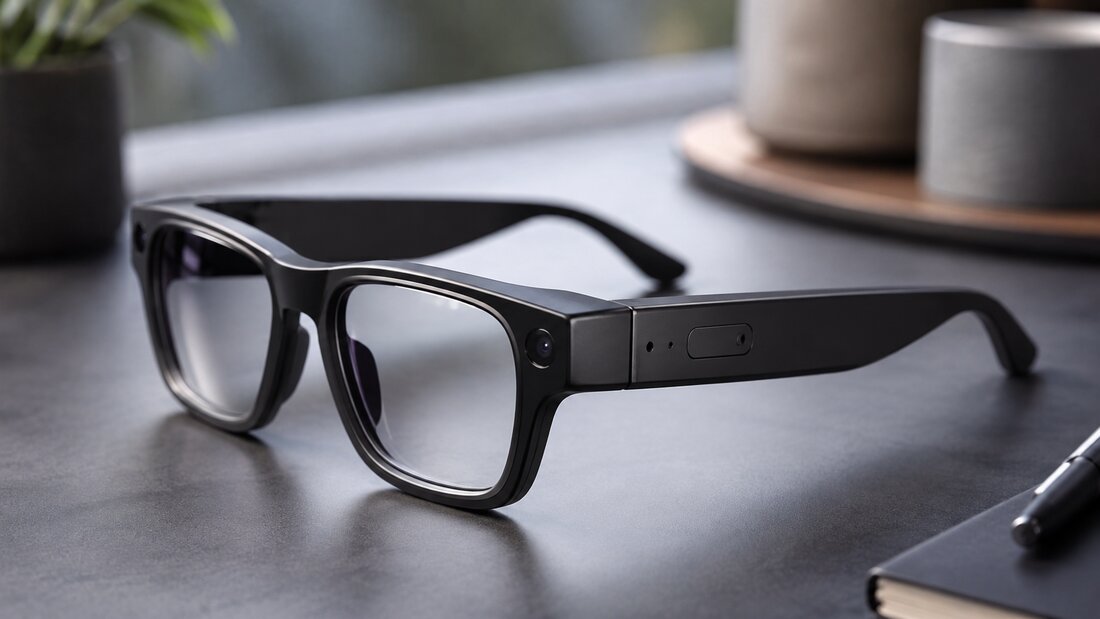
AI glasses payment terms negotiation is a key consideration for B2B buyers comparing sourcing, customization and manufacturing options for this project.
When you are sourcing AI glasses for your brand or distribution network, the product specifications and unit price often get the most attention. But the payment terms you negotiate with your OEM/ODM supplier can have just as much impact on your cash flow, your risk exposure, and the long-term health of your supplier relationship. A poorly structured payment agreement can tie up your working capital, leave you vulnerable to quality issues, or even jeopardize your entire order. On the other hand, well-negotiated terms can protect your interests while building trust with a manufacturer who is investing time and resources into your project.
This guide is written from the manufacturer’s side of the table. We will walk through the common payment structures used in AI glasses OEM/ODM deals, the factors that influence those terms, and the negotiation strategies that can help you secure a fair agreement. You will also find a practical checklist to review before you sign, so you can approach your next supplier conversation with confidence.
AI glasses payment terms negotiation: Understanding Standard Payment Term Structures in AI Glasses Deals
AI glasses are not a single product category. They range from audio-only smart glasses to camera-equipped models and full AR display devices. The complexity of the product directly affects the payment structure a supplier will propose. That said, most OEM/ODM transactions follow one of a few common patterns.
Deposit + Balance Against Delivery
The most straightforward structure is a deposit (typically 30% to 50% of the total order value) paid upfront to secure the production slot and cover initial material procurement. The balance is then due before shipment or upon delivery, depending on the agreed Incoterms. This structure is common for standard private-label orders where the product is already in the supplier’s catalog and customization is limited to logo, packaging, or color changes.
From a supplier’s perspective, the deposit is essential because it covers the cost of components that are often ordered specifically for your project. AI glasses use specialized components like AI SoCs, camera modules, and optical engines, many of which have long lead times and cannot be returned if you cancel the order. Without a deposit, the supplier would be exposed to significant financial risk.
Milestone-Based Payments for Custom Development
When your project involves deeper customization—such as a new frame design, a custom mainboard, or firmware modifications—the supplier will likely propose milestone payments tied to specific project phases. A typical structure might look like this:
- 30% deposit to kick off the project and begin engineering.
- 30% upon sample approval or after the engineering validation test (EVT) phase.
- 30% before mass production or upon approval of the pilot run (PVT).
- 10% balance against delivery or after final inspection.
Milestone payments protect both parties. You are not paying the full amount upfront, and the supplier receives funding at critical points to continue the work. This structure is common for ODM projects where the supplier is investing in tooling, software development, and testing.
Letters of Credit (L/C) for Large or International Orders
For very large orders or when dealing with a new supplier in a different country, a letter of credit (L/C) is often used. An L/C is a bank-backed guarantee that the supplier will receive payment once they present the required shipping documents. This reduces the risk for both sides: the supplier knows they will be paid if they meet the terms, and you know your payment is only released when the goods are shipped as agreed.
L/Cs are more complex and involve bank fees, but they are a standard tool in international trade. They are most common for orders exceeding $100,000 or when the buyer and supplier have no established relationship.
Key Factors That Influence AI Glasses Payment Terms
A structured AI glasses payment terms negotiation should compare engineering capability, quality control and project fit rather than price alone.
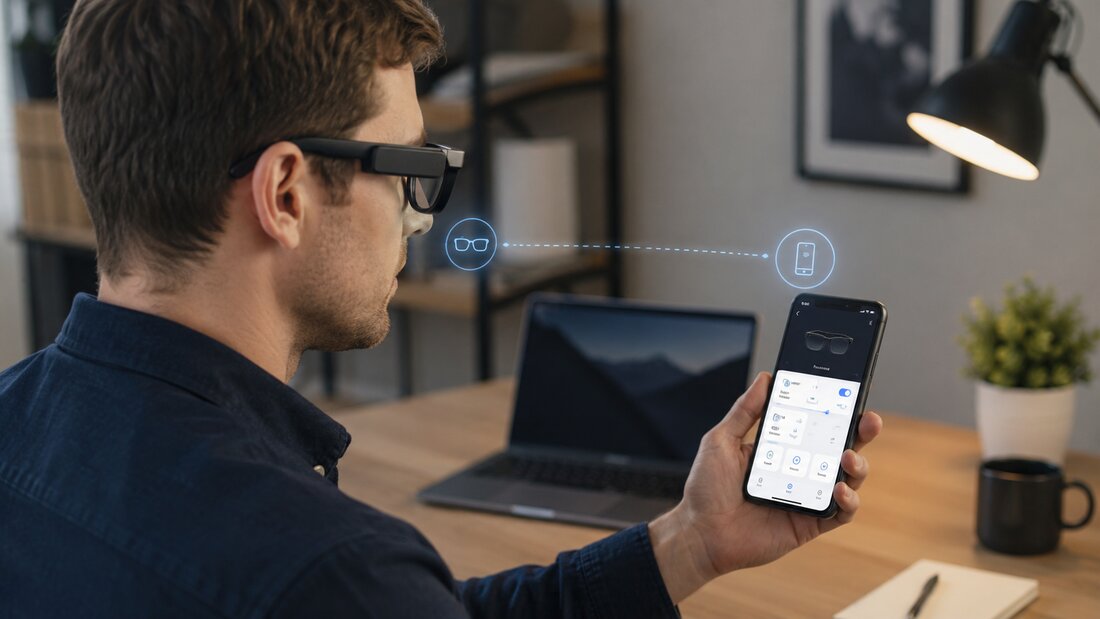
No two suppliers will offer the same payment terms, and the terms you are offered will depend on several factors. Understanding these can help you negotiate from a position of strength.
Product Complexity and Customization Level
The more customized your AI glasses are, the more risk the supplier takes on. A standard white-label audio AI glasses order with just a logo change carries less risk than a full-custom AR waveguide project that requires new tooling and months of optical engineering. Suppliers will typically ask for higher deposits and more milestone payments on complex projects to protect their investment.
Order Volume and MOQ
Larger orders give you more leverage. If you are ordering 5,000 units of a camera AI glasses model, you can negotiate a lower deposit or a longer payment schedule than if you are only ordering 200 units. Suppliers are more willing to be flexible when they know they have a steady production run and a committed buyer.
Supplier Relationship and Track Record
If you have a history of on-time payments and successful projects with a supplier, they are more likely to offer favorable terms. New relationships often start with stricter terms—higher deposits, shorter payment windows—until trust is established. This is not a sign of a bad supplier; it is simply prudent risk management.
Market Conditions and Component Availability
When key components like AI SoCs or optical modules are in short supply, suppliers may require larger deposits to secure inventory. Conversely, in a buyer’s market with excess capacity, you may find suppliers more willing to offer extended payment terms to win your business.
Incoterms and Shipping Responsibility
The Incoterms you agree on (e.g., EXW, FOB, CIF) affect who bears the cost and risk of shipping. If you are taking responsibility for freight and insurance (FOB or EXW), the supplier may be more flexible on payment terms because they are not financing the shipping period. If you ask for CIF or DDP, the supplier is carrying more risk and may ask for earlier payment.
Negotiation Strategies for Distributors
Negotiating payment terms is not about squeezing the supplier for the lowest possible deposit. It is about finding a structure that balances risk for both parties and sets the foundation for a long-term partnership. Here are strategies that work in practice.
Start with a Fair Offer
Begin the conversation with a payment structure that is reasonable for both sides. For a standard OEM order, offering a 30% deposit and 70% balance against delivery is a common starting point. For a custom ODM project, propose a milestone schedule that aligns payments with tangible progress, such as sample approval and pilot run approval.
Use Sample Approval as a Leverage Point
Sample approval is a critical gate in any AI glasses project. Before you commit to mass production, you need to validate the product’s performance, quality, and compliance. Negotiate to tie a significant portion of the payment to sample approval. This gives you leverage to ensure the product meets your specifications before you release more funds.
Offer Something in Return
If you want a lower deposit or extended payment terms, be prepared to offer something in return. This could be a larger order volume, a longer-term contract, or a commitment to a specific production schedule. Suppliers are more willing to be flexible when they see a long-term revenue stream.
Consider a Performance Bond or Guarantee
For very large orders, you might offer a performance bond or bank guarantee instead of a higher deposit. This provides the supplier with security without tying up your cash. However, this is more common in industrial deals and may not be practical for smaller consumer electronics orders.
Be Transparent About Your Cash Flow Needs
Suppliers are not mind readers. If you need extended payment terms because of your own cash flow cycle, explain that. A reputable supplier may be willing to work with you, especially if you have a solid business plan and a history of honoring commitments.
Risks and How to Mitigate Them
Payment terms are not just about cash flow; they are also about managing risk. Here are the key risks you face when negotiating AI glasses payment terms and how to mitigate them.
Quality and Specification Compliance
The biggest risk is paying for products that do not meet your quality standards. To mitigate this, tie final payments to a pre-shipment inspection (PSI) or a quality certificate from a third-party inspector. Ensure your contract specifies the acceptance criteria, including AQL levels and performance benchmarks.
Intellectual Property (IP) Protection
When you share your designs, firmware, or proprietary algorithms with a supplier, you risk IP theft. Mitigate this by signing a non-disclosure agreement (NDA) and a clear IP ownership clause in your contract. Specify who owns the tooling, firmware, and any custom software developed during the project. Payment terms can be structured to release final IP rights only upon full payment.
Currency Fluctuations
If you are paying in a foreign currency, exchange rate fluctuations can affect your total cost. Mitigate this by agreeing on a fixed exchange rate for the duration of the contract, or by using a forward contract to lock in the rate. Alternatively, negotiate to pay in your own currency, though suppliers may add a premium for that.
Supplier Default or Delay
There is always a risk that the supplier fails to deliver on time or goes out of business. Mitigate this by choosing a supplier with a proven track record, checking their financial stability, and including penalty clauses for late delivery in your contract. You can also ask for a sample of the final product before making the final payment.
Compliance and Certification Issues
AI glasses, especially those with cameras or wireless connectivity, may require certifications like CE, FCC, or RoHS. If the product fails to obtain these certifications, you may be unable to sell it in your target market. Mitigate this by specifying in the contract that the supplier must provide the necessary technical documentation and support for certification, and tie final payment to the successful completion of certification testing.
Key Clauses to Review in Your Payment Agreement
For B2B buyers, a useful AI glasses payment terms negotiation also checks documentation, communication and scalability before supplier approval.
Before you sign any agreement, review these clauses carefully. They can make the difference between a smooth transaction and a costly dispute.
- Payment Schedule: Clearly define the amount and timing of each payment, and what triggers each payment (e.g., sample approval, pilot run, shipment).
- Deposit Refund Policy: Under what conditions can you get your deposit back? For example, if the supplier fails to meet the agreed timeline or goes bankrupt.
- Milestone Definitions: If using milestone payments, define what constitutes successful completion of each milestone. For example, sample approval means the sample meets the agreed specifications and passes your tests.
- Incoterms: Specify the Incoterms (e.g., FOB, CIF) and who bears the risk of loss or damage during shipping.
- Inspection Rights: Your right to inspect the goods before final payment, either at the factory or through a third-party inspector.
- IP Ownership: Who owns the tooling, firmware, and any custom designs? This should be tied to payment milestones.
- Force Majeure: What happens if a natural disaster or other unforeseen event delays production? This clause should protect both parties.
- Dispute Resolution: How will disputes be resolved? Specify the governing law and arbitration venue.
Pineeon Manufacturer-Side Recommendation

As an OEM/ODM manufacturer with over 20 years of experience, we have seen both successful and failed buyer-supplier relationships. Our recommendation is to approach payment terms as a partnership agreement, not a zero-sum game. Here is what we advise our clients:
1. Be realistic about your project’s complexity. If you are developing a full-custom AR waveguide glasses product, expect to pay a higher deposit and accept milestone payments. The supplier is investing heavily in tooling and engineering, and they need financial security to move forward.
2. Invest time in the sample phase. The sample phase is your best opportunity to de-risk the project. Do not rush it. Use the sample to validate not just the look and feel, but also the performance, battery life, and software functionality. A well-tested sample reduces the chance of costly surprises during mass production.
3. Build a relationship with your supplier. Payment terms are easier to negotiate when you have a relationship. Visit the factory if possible, communicate regularly, and be transparent about your business goals. Suppliers are more willing to be flexible with buyers they trust.
4. Use a phased payment schedule for custom projects. Instead of a large deposit and a single balance, structure payments around milestones. This protects you and gives the supplier a steady cash flow. For example, you might pay 30% to start, 30% upon sample approval, 30% before mass production, and 10% after final inspection.
5. Always have a written contract. Verbal agreements are not enough. Ensure every term is documented, including payment triggers, quality standards, and IP ownership. This protects both parties and prevents misunderstandings.
At Pineeon, we work with distributors and brands worldwide to bring AI glasses to market. We understand the importance of fair payment terms and are committed to transparent, mutually beneficial agreements. If you are evaluating AI glasses for your next project, explore our AI glasses OEM/ODM capabilities and see how we can support your sourcing needs.
Payment Terms Checklist for AI Glasses Buyers
Before you sign any agreement, use this checklist to ensure you have covered the essentials:
| Checklist Item | Why It Matters | Status |
|---|---|---|
| Define the product architecture (audio, camera, AR) | Determines complexity, MOQ, and payment structure | ☐ |
| Confirm the deposit percentage and refund conditions | Protects your upfront investment | ☐ |
| Set clear milestones for custom projects | Ensures payments are tied to tangible progress | ☐ |
| Specify Incoterms and shipping responsibility | Clarifies who bears risk during transit | ☐ |
| Include inspection rights before final payment | Allows you to verify quality before paying | ☐ |
| Define IP ownership and tooling rights | Protects your designs and proprietary technology | ☐ |
| Agree on currency and exchange rate mechanism | Avoids unexpected cost increases | ☐ |
| Include penalty clauses for late delivery | Encourages on-time performance | ☐ |
| Specify certification support and documentation | Ensures you can obtain necessary approvals | ☐ |
| Review force majeure and dispute resolution clauses | Prepares you for unforeseen events | ☐ |
Before final selection, repeat the AI glasses payment terms negotiation against samples, written specifications and the agreed production scope.
Frequently Asked Questions
What is a typical deposit percentage for AI glasses OEM orders?
For standard private-label orders, a 30% deposit is common. For custom ODM projects, deposits may range from 30% to 50% depending on the complexity and component lead times.
Can I negotiate payment terms with an AI glasses manufacturer?
Yes, payment terms are negotiable. Factors like order volume, customization level, and your relationship with the supplier all influence the terms you can secure. Be prepared to offer something in return, such as a larger order or longer-term commitment.
What are the risks of paying a large deposit upfront?
The main risk is losing your deposit if the supplier fails to deliver or goes out of business. Mitigate this by choosing a reputable supplier, signing a clear contract, and using milestone payments for custom projects.
How do milestone payments work in AI glasses development?
Milestone payments are tied to specific project phases, such as sample approval or pilot run approval. You pay a portion of the total cost at each milestone, which reduces your upfront exposure and gives the supplier funding to continue the work.
Should I use a letter of credit for large AI glasses orders?
A letter of credit is a good option for large orders or when dealing with a new supplier. It provides security for both parties, but involves bank fees and more paperwork. It is most common for orders exceeding $100,000.
What should I do if a supplier demands 100% payment before shipment?
This is a red flag. Reputable suppliers typically accept a deposit and balance structure. If a supplier demands full payment upfront, investigate their background, ask for references, and consider using a letter of credit or escrow service to protect your funds.