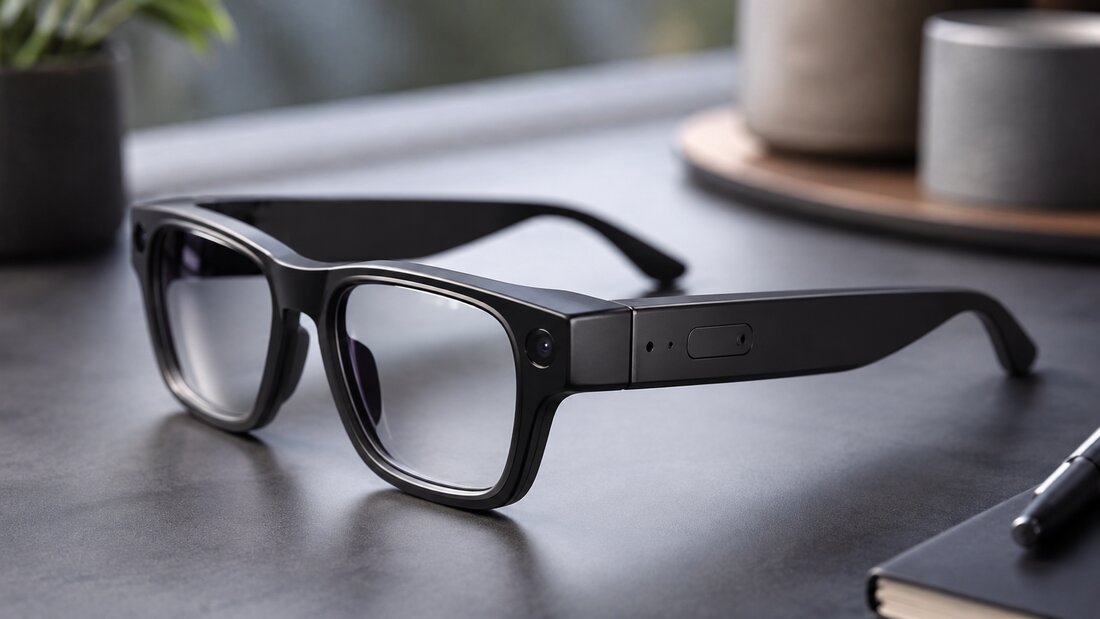
When a retailer or importer plans to export AI glasses across borders, the compliance question is rarely answered by a single certificate. It is answered by a chain of documents that must match the exact product configuration being shipped, the destination market, and the party that holds legal responsibility at each stage. Export-side compliance is a documentation-and-verification workflow, not a badge you collect once and file away.
This article is written from the manufacturer side for retail buyers, importers and procurement teams. It explains how AI glasses configuration changes the compliance scope, what documents to request from an AI glasses manufacturer, how to audit those documents against the SKU you ordered, and which component changes should trigger a fresh review. Regulatory requirements vary by product, market and configuration, so treat every statement here as a framework to confirm with your laboratory, authority or qualified advisor — not as a substitute for that confirmation.
Exporter obligations vs. importer obligations: who owns what
The first source of confusion in AI glasses export compliance is the assumption that the factory’s paperwork discharges the importer’s legal duty. It does not. The two roles carry different obligations, and a clean handover requires both sides to understand the boundary.
On the export side, the manufacturer typically provides the technical file elements that support a conformity assessment: test reports, declarations, bill-of-materials information, battery transport documentation where applicable, and labeling artwork. On the import side, the retailer or importer is usually the economic operator placing the product on the destination market, which means the importer must be able to produce the correct documentation on request and ensure the product as sold matches what was tested.
In practice, this means the importer should never accept a supplier’s statement that “the product is certified” as the end of the process. The importer needs to know which document covers which model, who issued it, when it was issued, and whether the scope matches the configuration being imported. That is the verification workflow this article describes.
How AI glasses configuration changes the compliance scope
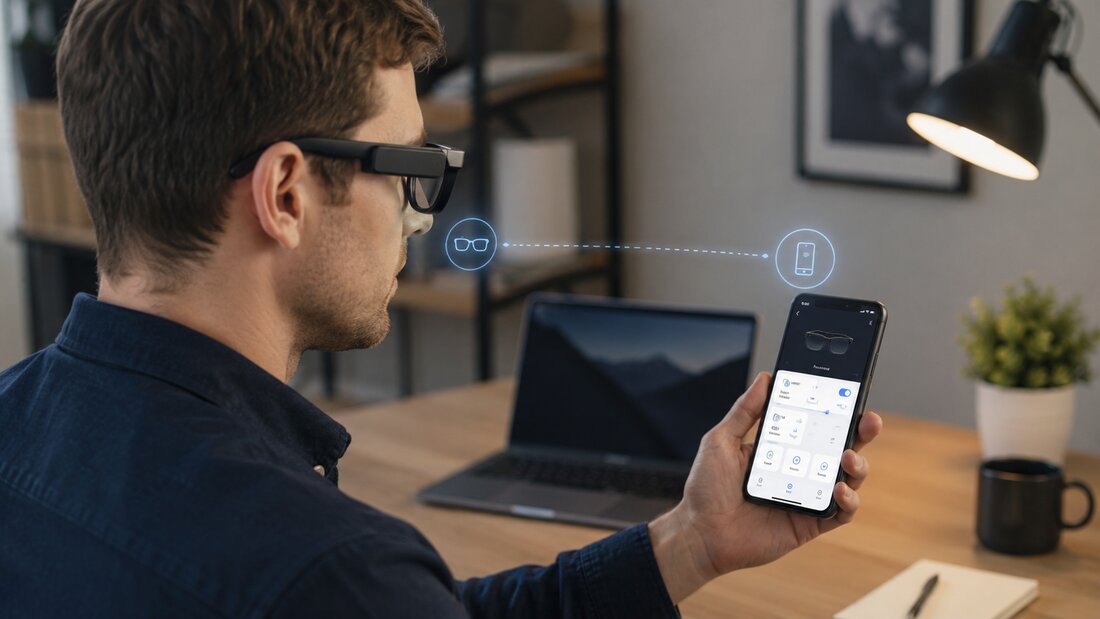
AI glasses are not a single product class. A camera-enabled pair with a lithium battery, a Bluetooth radio and a microphone array engages a different set of compliance scopes than an audio-only pair. Before requesting documents, classify the product you are buying.
Audio-only AI glasses typically involve Bluetooth radio behavior, audio output, a rechargeable battery and basic electrical safety. The compliance surface is narrower and the documentation set is usually simpler.
Camera AI glasses add imaging hardware, which brings privacy and recording-related considerations in some markets, plus additional electromagnetic and safety review because of the camera module and higher power draw. The battery is often larger, which makes transport documentation more relevant.
AR display glasses add optical modules and display sources. Depending on the market and the optical source, photobiological safety evaluation may be relevant, and the optical assembly adds quality-control considerations that can affect whether the shipped unit matches the tested configuration.
The practical rule: the compliance scope follows the configuration, not the product family name. A test report issued for an audio-only model does not cover a camera model, even if both are sold under the same brand and similar frame design.
Buyer document request list for AI glasses
Use the following list as a starting point when you import AI glasses or place a wholesale AI glasses order. Every item is project-dependent; the exact set depends on the model, market and intended use.
| Document category | What to request | What it should tell you |
|---|---|---|
| Declaration of conformity reference | The declaration document or its reference number, with the model identifiers listed | Which model and standards the declaration covers, and who issued it |
| Test report scope | The full report, not just a cover page, with the tested model number and configuration | Whether the tested configuration matches the SKU you ordered |
| Battery test documentation | Transport-relevant battery test documentation where applicable to the cell and pack | Whether the battery as shipped is documented for transport |
| Radio module approvals | Approval references for the Bluetooth or other radio module used in the model | Whether the radio component carries its own approvals and how they map to the final product |
| Labeling and packaging artwork | Final label artwork, including mark placement, importer identification and language requirements | Whether destination-market labeling rules are addressed before printing |
| Change record | A statement of whether any component changed since the report date | Whether the documentation is still representative of the shipped product |
Two cautions apply to this table. First, a supplier may hold company-level quality certification such as ISO 9001:2015, which speaks to the quality management system, not to product-level compliance for a specific SKU. Second, a document that exists is not the same as a document that covers your order. The audit step below is where most retail buyers either catch a problem or inherit one.
How to audit a supplier’s compliance claims
Auditing is a matching exercise. You are checking whether the document set describes the product you are actually buying. Work through these checks in order.
Match model numbers. Compare the model identifier on the test report and declaration against the model identifier on your purchase order and on the product label. Similar names are a common failure point; a suffix difference can indicate a different configuration.
Check report dates and standards cited. Confirm the report is current for the standards it cites and that the standards are the ones relevant to your destination market. Standards are revised, and an older report may reference a superseded edition.
Confirm scope covers the exact configuration. If your order includes a camera, a larger battery or a different radio module than the tested sample, the report may not cover it. Ask the supplier to state in writing whether the tested configuration is identical to the shipping configuration.
Verify the certificate holder. Establish whether the declaration or certificate is held by the factory, by your brand, or by a third party. This affects who can respond if an authority requests documentation after import.
Check labeling against the market. Destination-market labeling requirements — mark placement, importer name and address, language of the user manual — are frequently overlooked because they are handled late in packaging. Review artwork before mass production, not after.
Pre-shipment verification sequence for retailers
Run this sequence before releasing a bulk order. It is designed to catch mismatches at the sample stage, when changes are still inexpensive.
- Sample-stage document review. Request the document set for the sample configuration and audit it using the checks above. Record the model number and report date in your procurement file.
- Configuration freeze. Confirm in writing the exact BOM-level configuration you are approving: radio module, battery, camera presence, optical module if applicable.
- Labeling approval. Approve final label and packaging artwork against destination-market requirements before tooling or printing.
- Change-control trigger review. Ask the supplier to notify you before substituting any component that affects radio, battery, camera or optical performance. A substitution after testing can invalidate the documentation match.
- Pre-shipment document confirmation. Before shipment, confirm the documents on file still match the production configuration and that no unreported change occurred.
This sequence does not replace a formal conformity assessment. It is a buyer-side control that reduces the risk of importing a product whose paperwork describes a different unit.
Common retailer mistakes in AI glasses export compliance

Most compliance problems at retail level are process problems, not product problems. These are the recurring ones.
Assuming company certification covers every SKU. A factory’s ISO 9001:2015 certification confirms a quality management system. It does not confirm that a specific AI glasses model holds CE, FCC or RoHS documentation. Treat company certification and product documentation as separate evidence.
Accepting expired or mismatched reports. A report that is old, or that names a different model, is not evidence for your order. Ask for the full report and check the identifiers yourself.
Ignoring destination-market labeling. Mark placement, importer identification and manual language are part of market access. They are also easy to fix before printing and expensive to fix after.
Treating a supplier’s compliance support as a guarantee. A manufacturer may be able to provide technical documentation and testing support for applicable CE, FCC and RoHS applications, but final approval depends on the model, market, laboratory and authority. No supplier can guarantee a regulatory outcome.
Pineeon Manufacturer-Side Recommendation
Certification documentation, testing and compliance-support capabilities vary by supplier and project. Confirm the exact scope, responsible parties and available records in writing before relying on them.
A practical recommendation to retail buyers is to freeze the configuration early and document it. When a buyer confirms the radio module, battery, camera presence and optical module at the sample stage, the documentation set can be built against a stable target. When those elements change late, the paperwork may need to be rebuilt, and the shipment timeline can absorb the cost. If you are evaluating AI glasses for a private label program, start with the AI glasses OEM/ODM product page and bring your destination market and configuration questions to the first technical discussion.
FAQ
Does a factory’s ISO 9001:2015 certificate mean my AI glasses model is CE marked?
No. ISO 9001:2015 certifies the quality management system. CE marking and RoHS compliance are product-level matters that depend on the specific model and configuration. Ask for the product-level documentation separately.
Can I import AI glasses using a test report issued for a similar model?
Only if the report scope explicitly covers the configuration you are importing. A report for an audio-only model does not cover a camera model. Confirm the tested model number and configuration match your order before relying on the report.
What changes should trigger a new compliance review?
Changes to the radio module, battery cell or pack, camera module, optical module, or any component that affects electromagnetic behavior or safety should trigger a review. Ask your supplier for written notification before substitution.
Who is responsible for destination-market labeling?
Responsibility is usually shared: the manufacturer produces the label artwork, and the importer confirms it meets destination-market requirements. Confirm this division in writing before packaging is printed.
Can a manufacturer guarantee that my AI glasses will be approved?
No. A manufacturer may be able to provide documentation and testing support for applicable applications, but approval depends on the model, market, laboratory and authority. Treat any guarantee of approval as a warning sign.
How early should I request compliance documents?
At the sample stage, before configuration freeze. Early review lets you catch model-number mismatches and labeling gaps while changes are still inexpensive.
Editorial note: This article provides general B2B sourcing and manufacturing information. Legal, regulatory, certification, intellectual-property and market-entry requirements vary by jurisdiction and project. Obtain qualified professional advice and verify the requirements that apply to your product and target market.