For e-commerce brands, the smart watch market offers enormous potential, but it also carries significant risks. A factory that looks good on paper may deliver inconsistent quality, miss compliance requirements, or fail to meet your customization needs. That’s why a thorough smart watch factory audit is not just a precaution—it’s a critical step in protecting your brand reputation and ensuring long-term profitability.
This guide is written from a manufacturer’s perspective. We’ll walk you through the key areas to evaluate during a factory audit, the specific risks associated with smart watches, and a practical checklist you can use to assess potential suppliers. Whether you’re sourcing your first private-label smart watch or expanding your product line, this information will help you make an informed decision.
Why Factory Audits Are Critical for Smart Watch Sourcing
Smart watches are complex electronic devices. Unlike simple accessories, they integrate a display, battery, sensors, wireless connectivity, and often a real-time operating system. This complexity means that quality issues can arise from any component or assembly step. A factory audit helps you identify whether a manufacturer has the processes, equipment, and expertise to deliver a reliable product.
Moreover, smart watches are worn on the body and often used in daily activities, making safety and durability paramount. A poorly designed battery or inadequate waterproofing can lead to customer complaints, returns, or even safety hazards. An audit allows you to verify that the factory has robust quality control measures in place to mitigate these risks.
Finally, compliance is a major concern. Depending on your target market, smart watches may need to meet CE, FCC, RoHS, and other regulatory requirements. A factory that understands these regulations and can support certification processes is invaluable. An audit helps you assess their capability in this area.
Key Risk Areas in Smart Watch Manufacturing
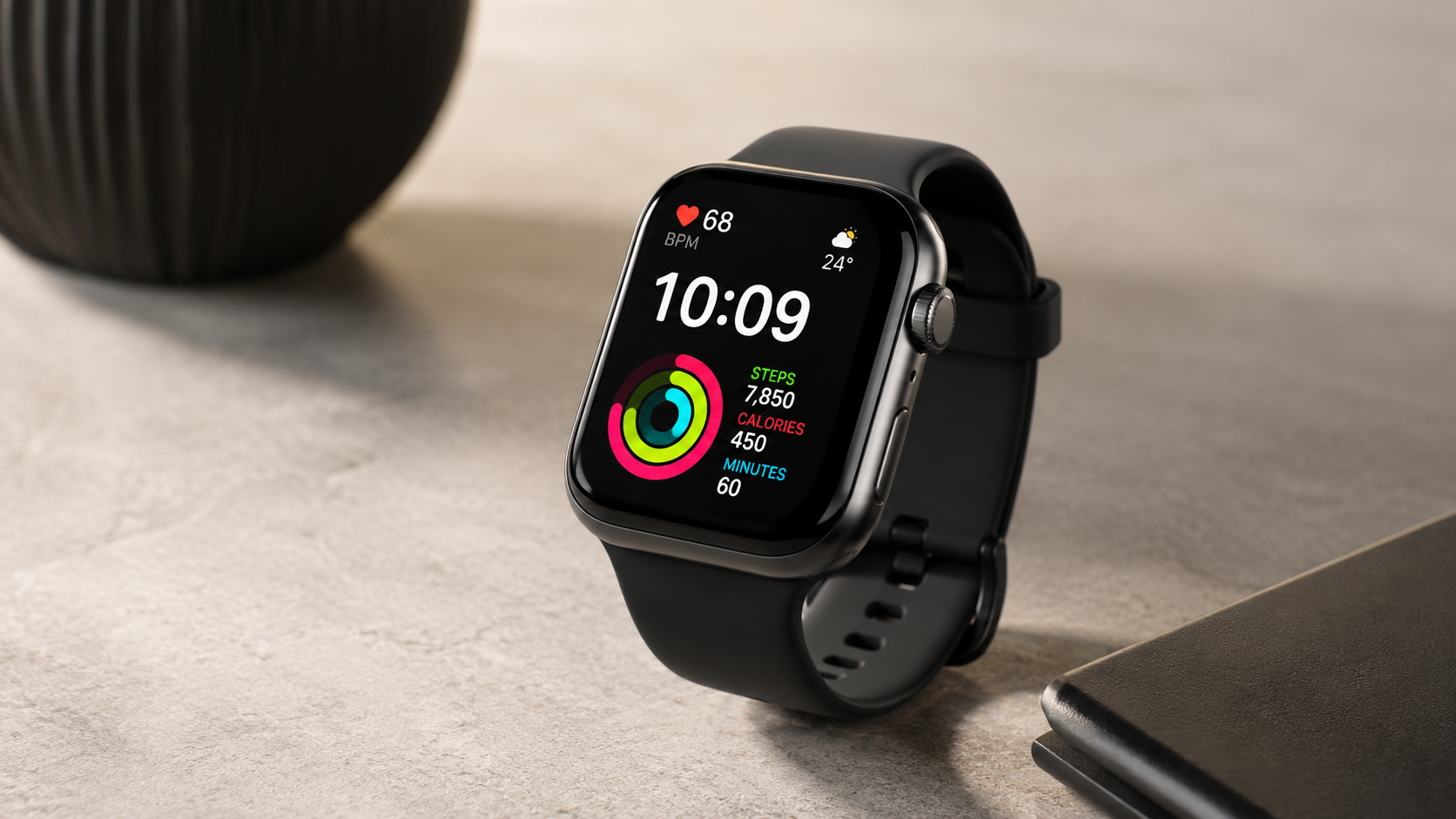
A structured smart watch factory audit should compare engineering capability, quality control and project fit rather than price alone.

Before diving into the audit process, it’s essential to understand the specific risk areas that are unique to smart watches. These are the areas where problems are most likely to occur and where you should focus your attention.
Battery Safety
Lithium-ion batteries are the most common power source for smart watches. They are energy-dense and can be hazardous if not handled correctly. During an audit, you should check:
- Battery sourcing: Are batteries from reputable manufacturers with proper certifications?
- Battery protection: Does the watch have overcharge, over-discharge, and short-circuit protection?
- Battery testing: Does the factory conduct battery aging tests and safety tests?
Waterproofing and Sealing
Many smart watches claim IP67 or IP68 water resistance. Achieving these ratings requires precise assembly and sealing. An audit should verify:
- Sealing materials: Are gaskets and adhesives of high quality?
- Assembly process: Are there controlled procedures for sealing?
- Testing: Does the factory perform water resistance testing on finished units?
Sensor Accuracy
Smart watches often include heart rate sensors, accelerometers, and gyroscopes. Inaccurate sensors can lead to poor user experience and negative reviews. Check:
- Sensor calibration: Are sensors calibrated during production?
- Quality control: Is there a functional test for each sensor?
- Component sourcing: Are sensors from reliable suppliers?
Firmware Stability
Firmware bugs can cause crashes, battery drain, or connectivity issues. While firmware is often developed by the factory or a third party, the factory should have a process for testing and updating firmware. During an audit, ask about:
- Firmware testing: Is there a dedicated testing team?
- OTA updates: Can firmware be updated over the air?
- Bug tracking: How are bugs reported and fixed?
Certification Readiness
Smart watches with Bluetooth or cellular connectivity must comply with radio regulations. A factory that is familiar with CE, FCC, and other standards can help you navigate the certification process. Verify:
- Experience: Has the factory supported certifications for similar products?
- Documentation: Can they provide technical files and test reports?
- Testing facilities: Do they have in-house testing or partnerships with labs?
Step-by-Step Smart Watch Factory Audit Framework
A comprehensive audit should cover both the factory’s capabilities and its processes. Here is a structured framework you can use.
Step 1: Document Review
Start by reviewing the factory’s documentation. This includes:
- ISO 9001 certificate (quality management system)
- Business license and legal registration
- Product certifications (CE, FCC, RoHS, etc.) for existing models
- Quality control procedures and inspection reports
- Supplier management policies
This step gives you an overview of the factory’s legitimacy and commitment to quality.
Step 2: Production Line Inspection
Walk through the production line to observe the actual manufacturing process. Look for:
- Cleanliness and organization (ESD protection, dust control)
- Worker training and adherence to standard operating procedures
- Equipment maintenance and calibration
- In-process quality control checkpoints
Pay attention to how components are handled, especially batteries and displays, which are sensitive to static and physical damage.
Step 3: Quality Control Processes
Understand the factory’s quality control framework. A typical system includes IQC (Incoming Quality Control), IPQC (In-Process Quality Control), FQC (Final Quality Control), and OQC (Outgoing Quality Control). Ask to see records for each stage.
- IQC: How are incoming components inspected?
- IPQC: What checkpoints exist during assembly?
- FQC: What functional tests are performed on finished watches?
- OQC: What sampling plan is used for outgoing shipments?
Also, inquire about reliability testing such as aging tests, drop tests, and temperature cycling.
Step 4: Testing Capabilities
Smart watches require specific testing equipment. Check if the factory has:
- Battery testing equipment (charge/discharge cyclers)
- Water resistance testers (IPX test chambers)
- Bluetooth/RF testing equipment
- Sensor calibration tools
- Environmental chambers for temperature and humidity testing
If the factory lacks these, they may outsource testing, which can increase lead times and costs.
Step 5: Compliance Support
Discuss the factory’s experience with certifications. Ask about:
- Which certifications have they obtained for similar products?
- Can they provide technical documentation and testing support?
- Do they have relationships with accredited laboratories?
Remember, factory support does not guarantee certification approval. The final certificate depends on the specific product model and target market.
Smart Watch Factory Audit Checklist
Use this checklist to ensure you cover all critical areas during your audit.
| Category | Checklist Item | Pass/Fail |
|---|---|---|
| Company Profile | ISO 9001:2015 certification | |
| Company Profile | Years in business | |
| Company Profile | Export experience | |
| Product Experience | Experience with smart watches (MCU or Android) | |
| Product Experience | Customization capabilities (OEM/ODM) | |
| Quality Management | IQC/IPQC/FQC/OQC procedures in place | |
| Quality Management | Reliability testing (aging, drop, etc.) | |
| Battery Safety | Battery sourcing from reputable suppliers | |
| Battery Safety | Battery protection circuits | |
| Battery Safety | Battery testing equipment | |
| Waterproofing | Sealing process control | |
| Waterproofing | Water resistance testing | |
| Sensor Accuracy | Sensor calibration procedures | |
| Sensor Accuracy | Functional testing of sensors | |
| Firmware | Firmware testing process | |
| Firmware | OTA update capability | |
| Compliance | CE/FCC/RoHS support | |
| Compliance | Technical documentation availability | |
| Production Capacity | Monthly output capacity | |
| Production Capacity | Lead time for samples and mass production | |
| After-Sales Support | Warranty policy | |
| After-Sales Support | Technical support availability |
Questions to Ask Your Smart Watch Supplier
During the audit, ask these questions to gain deeper insights into the factory’s capabilities and willingness to support your project.
- What is your experience with smart watches similar to our target product?
- Can you provide references from existing clients?
- What is your MOQ for private label and OEM/ODM projects?
- How do you handle firmware customization and OTA updates?
- Can you support CE, FCC, and RoHS certification applications?
- What is your typical sample lead time and mass production lead time?
- How do you handle after-sales issues such as defective units?
- Do you have in-house testing equipment for battery, waterproofing, and RF?
Pineeon Manufacturer-Side Recommendation
As a manufacturer with over 20 years of experience, we recommend that e-commerce brands conduct both an initial document review and an on-site audit before committing to a large order. If an on-site visit is not feasible, consider a virtual audit using video calls and detailed questionnaires.
Certification documentation, testing and compliance-support capabilities vary by supplier and project. Confirm the exact scope, responsible parties and available records in writing before relying on them.
Remember, a factory audit is not just about checking boxes. It’s about building a relationship with a partner who can help you bring a reliable product to market. Take the time to understand their processes, ask questions, and ensure they can meet your quality and compliance expectations.
If you are looking for a smart watch manufacturer, explore our smart watch OEM/ODM solutions to see how we can support your project.
Conclusion
A smart watch factory audit is an essential step for e-commerce brands that want to avoid costly mistakes. By focusing on key risk areas such as battery safety, waterproofing, sensor accuracy, firmware stability, and compliance, you can select a supplier that will deliver a high-quality product. Use the framework and checklist provided in this guide to conduct a thorough audit, and don’t hesitate to ask detailed questions. Your brand’s reputation depends on the reliability of the products you sell, so invest the time upfront to ensure you choose the right manufacturing partner.

Buyer Verification Questions Before Certification Planning
Before relying on any certification statement, ask for the exact product model, target market, applicable standard, document owner, and issuing or testing organization. Confirm whether branding, enclosure, antenna, firmware, sensor, battery, packaging, or other project changes could affect the evidence.
For procurement records, keep the supplier quotation, agreed compliance scope, available certificates, test reports, declarations, technical files, and written explanations together with the product specification. When a requirement is unclear, verify it with the applicable authority, qualified laboratory, or specialist for the target market.
Buyer Verification Questions Before Certification Planning
Before relying on any certification statement, ask for the exact product model, target market, applicable standard, document owner, and issuing or testing organization. Confirm whether branding, enclosure, antenna, firmware, sensor, battery, packaging, or other project changes could affect the evidence.
For procurement records, keep the supplier quotation, agreed compliance scope, available certificates, test reports, declarations, technical files, and written explanations together with the product specification. When a requirement is unclear, verify it with the applicable authority, qualified laboratory, or specialist for the target market.