Importing smart watches into the EU, US, or other markets is not just about finding a supplier with the right price and features. Regulatory compliance is a critical gate that can delay your launch, add unexpected costs, or even block your products at customs. For distributors and brands, understanding the key smart watch import regulations is essential to avoid costly mistakes.
In this guide, we break down the most common compliance requirements for smart watches—CE, FCC, and RoHS—and explain how they vary by market and product configuration. You’ll also learn how an OEM/ODM manufacturer can support your compliance journey, what to verify before mass production, and a practical checklist to keep your project on track.
smart watch import regulations: Why Smart Watch Compliance Is Not One-Size-Fits-All
Smart watches are complex electronic devices that combine wireless communication, batteries, sensors, and software. As a result, they fall under multiple regulatory frameworks depending on where you plan to sell them. The requirements differ not only by country but also by the watch’s architecture—whether it’s a Bluetooth-only MCU watch or a more advanced Android/4G watch.
For instance, a simple Bluetooth fitness tracker may only need to comply with radio equipment and EMC directives in the EU, while a 4G smart watch with cellular connectivity will require additional telecom and network approvals. Similarly, the US FCC certification process for a Bluetooth device is different from that for a device with cellular radios.
Understanding these differences early in your product development can save you from redesigns, re-testing, and market-entry delays.
Key Regulatory Frameworks for Smart Watches
A structured smart watch import regulations should compare engineering capability, quality control and project fit rather than price alone.

CE Marking for the European Market
If you plan to sell smart watches in the European Economic Area (EEA), CE marking is mandatory. The CE mark indicates that the product meets relevant EU directives and regulations, including:
- Radio Equipment Directive (RED) 2014/53/EU – covers radio and telecommunications equipment, including Bluetooth, Wi-Fi, and cellular modules.
- Electromagnetic Compatibility (EMC) Directive 2014/30/EU – ensures the device does not emit excessive electromagnetic interference and is immune to external interference.
- Low Voltage Directive (LVD) 2014/35/EU – applies if the device operates within certain voltage limits (typically for battery-powered devices).
- Restriction of Hazardous Substances (RoHS) Directive 2011/65/EU – restricts the use of specific hazardous substances in electrical and electronic equipment.
CE marking requires a technical file, risk assessment, and a Declaration of Conformity. For radio equipment, you may also need to involve a Notified Body if the product falls under certain categories. However, for most Bluetooth smart watches, self-declaration based on harmonized standards is common.
FCC Certification for the United States
For the US market, the Federal Communications Commission (FCC) regulates intentional radiators, which includes any device that emits radio frequency energy, such as Bluetooth, Wi-Fi, or cellular modules. Smart watches typically require FCC certification under Part 15 (for Bluetooth/Wi-Fi) or Part 22/24/27 (for cellular).
The FCC certification process involves testing the device in an accredited laboratory to ensure it meets the technical standards. You will need to obtain an FCC ID, which is printed on the product or its packaging. The FCC ID is tied to the specific model and its technical configuration, so any significant hardware change requires a new certification.
RoHS Compliance for Restricted Substances
RoHS is a directive that restricts the use of lead, mercury, cadmium, hexavalent chromium, polybrominated biphenyls (PBB), and polybrominated diphenyl ethers (PBDE) in electrical and electronic equipment. It applies to the EU and is also adopted in many other regions, including China (China RoHS) and California (California RoHS).
RoHS compliance is not a certification but a declaration of conformity. You must ensure that your product and its components do not contain restricted substances above the maximum concentration values. Suppliers should provide RoHS test reports or declarations for their components.
How Product Architecture Affects Compliance
Smart watches come in two main architectures, each with different compliance implications:
MCU Bluetooth Smart Watches
These watches use a low-power microcontroller (MCU) and typically connect to a smartphone via Bluetooth. They are simpler in design and have lower power consumption. From a compliance perspective, they are easier to certify because they only need to meet radio and EMC standards for Bluetooth. The certification path is generally faster and less costly.
Android/4G Smart Watches
These watches run on a more powerful application processor and can operate independently with cellular connectivity (4G), Wi-Fi, and GPS. They offer richer functionality but introduce additional compliance challenges:
- Cellular certification – In addition to FCC/CE for radio, you may need PTCRB (for US carriers) and other network-specific approvals.
- Higher testing complexity – More radios mean more testing for EMC, RF exposure (SAR), and interoperability.
- Market-specific requirements – Some countries require type approval for cellular devices, which can be time-consuming.
As a distributor, you must decide early which architecture aligns with your target market and budget, as it directly impacts your compliance timeline and costs.
Common Compliance Pitfalls and How to Avoid Them
Many importers face avoidable delays and costs due to common compliance mistakes. Here are the most frequent pitfalls and how to steer clear of them:
1. Assuming One Certification Covers All Markets
CE does not mean FCC, and FCC does not mean CE. Each market has its own requirements. Some countries also have additional national standards. Always check the specific requirements for each destination country.
2. Using a Generic Test Report for a Different Model
Certifications are model-specific. If you change the antenna, battery, or even the casing, the certification may become invalid. Ensure your supplier provides test reports for the exact model you are importing.
3. Ignoring Software and Firmware Updates
Regulatory compliance also covers software. If the firmware changes the radio behavior (e.g., frequency range or power), it may require re-certification. Keep a strict change management process.
4. Overlooking Battery and Safety Standards
Smart watches contain lithium-ion batteries, which are subject to transport regulations (UN38.3) and safety standards (IEC 62133). These are often required for air freight and market access.
5. Not Planning for Certification Lead Time
Certification can take weeks or months, depending on the product complexity and the testing lab’s workload. Factor this into your product launch timeline to avoid last-minute rushes.
How an OEM/ODM Manufacturer Can Support Compliance
For B2B buyers, a useful smart watch import regulations also checks documentation, communication and scalability before supplier approval.
Working with an experienced OEM/ODM manufacturer can significantly ease the compliance burden. A reputable manufacturer can provide valuable support:
- Technical documentation – They can prepare the necessary technical files, schematics, and user manuals required for CE and FCC declarations.
- Testing support – They can coordinate pre-compliance testing and guide you through the formal testing process with accredited laboratories.
- Certification application assistance – They can help you apply for CE, FCC, and RoHS compliance, leveraging their experience with similar products.
- Design for compliance – They can design the hardware and firmware to meet regulatory requirements from the start, reducing the risk of failure during testing.
However, it’s crucial to understand that the final certification is issued to the importer or brand, not the manufacturer. The manufacturer can support the process, but you are responsible for ensuring the certificate is in your name and valid for your market.
Smart Watch Compliance Checklist for Distributors
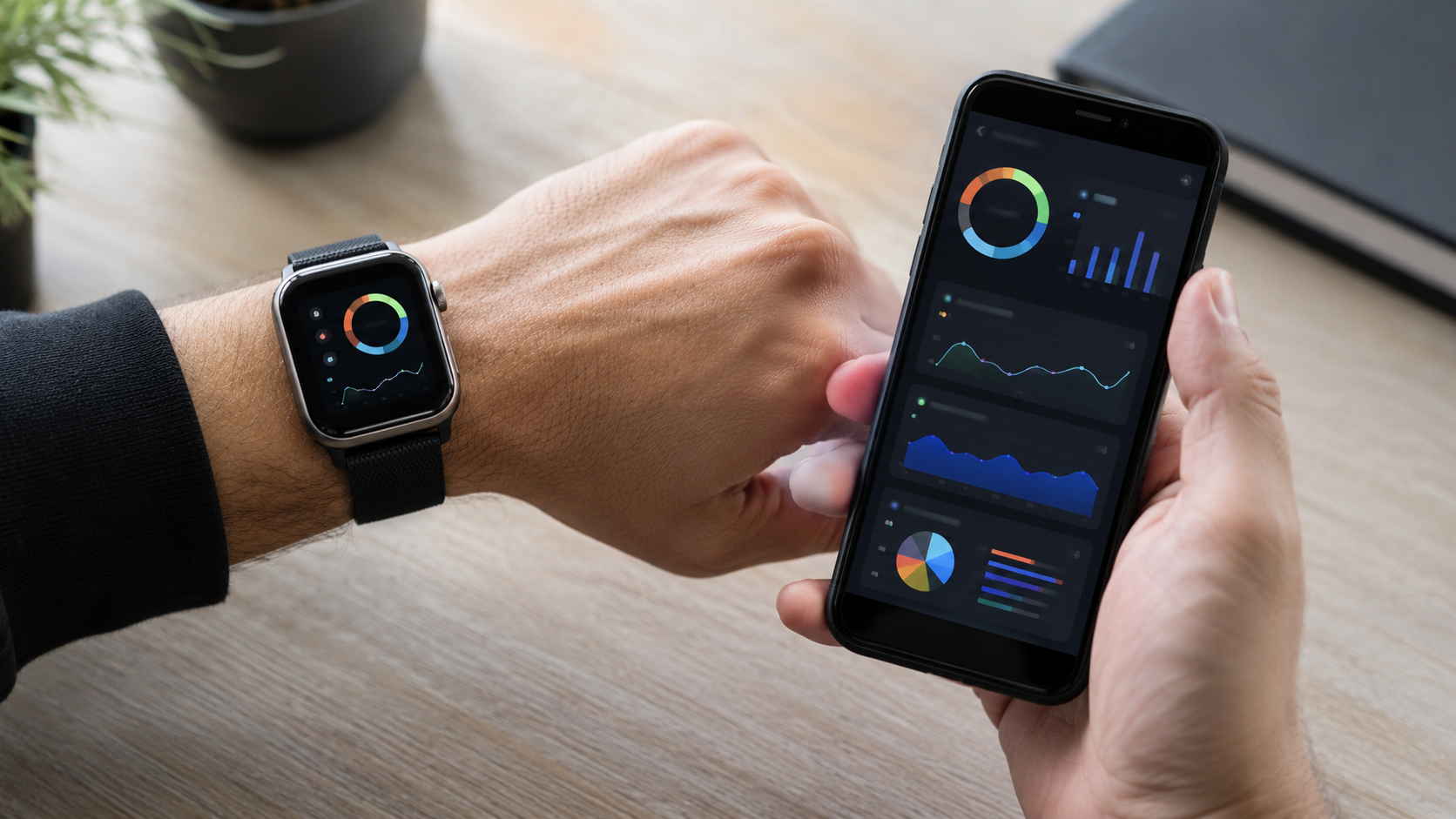
Before you commit to a large order, use this checklist to verify compliance readiness:
| Checklist Item | Why It Matters | Action |
|---|---|---|
| Identify target markets | Determines which certifications are required. | List all countries where you plan to sell. |
| Confirm product architecture | MCU vs. Android/4G affects certification complexity. | Choose the architecture that matches your market and budget. |
| Request model-specific test reports | Certifications are model-specific; generic reports are invalid. | Ask for CE, FCC, RoHS reports for the exact model. |
| Verify certificate holder | Certificates must be in your name or your authorized representative’s. | Ensure the certificate lists you as the holder. |
| Check battery transport compliance | UN38.3 is required for air shipment. | Request UN38.3 test summary. |
| Plan for software updates | Firmware changes can affect compliance. | Establish a change control process with the manufacturer. |
| Budget for certification costs | Testing and certification fees can be significant. | Get quotes from labs and factor into your pricing. |
| Confirm labeling requirements | CE mark, FCC ID, and other labels must be printed on the product. | Specify labeling in your product specifications. |
Pineeon Manufacturer-Side Recommendation
Based on our experience working with brands and distributors in over 40 countries, we recommend a proactive approach to compliance:
- Start compliance planning early – Ideally during the product specification phase, not after the design is finalized.
- Choose the right architecture – If your target market is price-sensitive and you don’t need cellular connectivity, an MCU Bluetooth watch will save you time and money on certification.
- Certification documentation, testing and compliance-support capabilities vary by supplier and project. Confirm the exact scope, responsible parties and available records in writing before relying on them.
- Verify everything in writing – Get written confirmation of certification status, test reports, and any limitations before placing a mass production order.
- Plan for re-certification – If you make any hardware or firmware changes, factor in the cost and time for re-testing.
By following these steps, you can minimize compliance risks and bring your smart watch to market with confidence.
Frequently Asked Questions
Do I need CE and FCC for the same smart watch?
Yes, if you plan to sell in both the EU and the US. CE is required for the European market, and FCC is required for the US market. They are separate certifications, and you need both.
Can I use my supplier’s CE certificate for my own import?
No, the CE certificate must be in the name of the importer or the authorized representative in the EU. You cannot use your supplier’s certificate directly. You need to have your own declaration of conformity based on the technical file.
What is the difference between RoHS and REACH?
RoHS restricts hazardous substances in electrical and electronic equipment, while REACH is a broader EU regulation covering all chemicals. Both may apply to smart watches, and you may need to provide REACH compliance documentation as well.
How long does FCC certification take for a smart watch?
FCC certification typically takes 4-6 weeks, depending on the complexity of the device and the testing lab’s schedule. For cellular devices, it may take longer due to additional testing.
What happens if I import a smart watch without proper certifications?
Your products may be detained at customs, fined, or forced to be recalled. In some cases, you may face legal action. It’s not worth the risk.
Can Pineeon help me get my smart watch certified?
Certification documentation, testing and compliance-support capabilities vary by supplier and project. Confirm the exact scope, responsible parties and available records in writing before relying on them.
Editorial note: This article provides general B2B sourcing and manufacturing information. Legal, regulatory, certification, intellectual-property and market-entry requirements vary by jurisdiction and project. Obtain qualified professional advice and verify the requirements that apply to your product and target market.
Conclusion
Smart watch import regulations are complex but manageable with the right knowledge and partner. By understanding the key requirements for CE, FCC, and RoHS, and by working with an experienced OEM/ODM manufacturer, you can navigate the compliance landscape effectively. Remember to plan early, verify all documentation, and always confirm with the relevant authorities or laboratories for the latest requirements.
If you’re looking for a reliable manufacturing partner to support your smart watch project, explore Pineeon’s smart watch OEM/ODM solutions and get a quote tailored to your needs.